Speak to one of our experts

Call +44 20 7399 7630

From Baltra to Baltra

Epic Galápagos Escape

Dates:
5 Sep - 18 Sep 2026
Duration:
13 Nights
Journey type:
Cruise only (please call for flight options)
No. of ports:
11
Ship:
National Geographic Islander II
Cruise Line:
National Geographic - Lindblad Expeditions
Call us for prices - you'll never pay more than the price advertised by the cruise line.

From Baltra to Baltra

Epic Galápagos Escape

Dates:
5 Sep - 18 Sep 2026
Duration:
13 Nights
Journey type:
Cruise only (please call for flight options)
No. of ports:
11
Ship:
National Geographic Islander II
Cruise Line:
National Geographic - Lindblad Expeditions
Call us for prices - you'll never pay more than the price advertised by the cruise line.

Voyage Itinerary

Before you board

One night in Quito

Fly from the UK to Quito and enjoy an overnight stay at an airport hotel. The following day, continue your journey with a flight to Baltra in the Galápagos Islands where you will join National Geographic Islander II and begin your expedition.
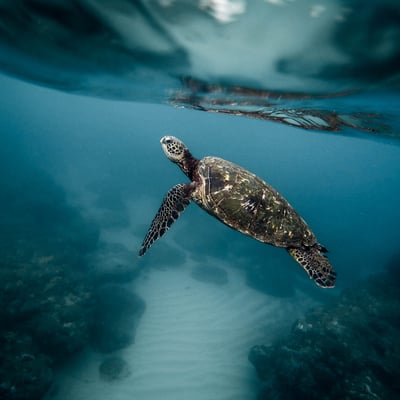
Sea turtle, Galapagos

Our tip

Take an underwater camera - the marine life in the Galapagos is spectacular, with sea turtles, penguins, manta rays and more lurking beneath the surface.

6 September

Ecuador: Baltra

The flat and arid island of Baltra, also known as South Seymour, is home to the Galapagos archipelago’s main airport, formerly a US air base. The island is inhabited by wildlife including boobies and frigatebirds, but there are no sites open to visitors, so if you see anything it will only be in passing as you transfer between airport and ship.
Baltra island, Galapagos

7 September

Ecuador: North Seymour

North Seymour island, named after the English nobleman Lord Hugh Seymour, is home to some of the biggest sea bird breeding colonies in the Galapagos. This is one of the best places to see the magnificent frigatebirds, along with blue-footed boobies and land iguanas.
Male frigate bird on North Seymour Island, Galapagos

8 September

Ecuador: Rábida Island

Rábida Island is known for its distinctive red sand beaches, which owe their unusual colour to the high iron content of the volcanic material found on the island. As you come ashore you are likely to encounter sea lions lounging on the beach, along with marine iguanas, brown pelicans and flamingos.
Sea lions on red sand beach on Rábida Island, Galapagos

9 September

Ecuador: Santa Cruz Island

10 September

Ecuador: Urbina Bay (Isabela Island)

11 September

Ecuador: Fernandina Island

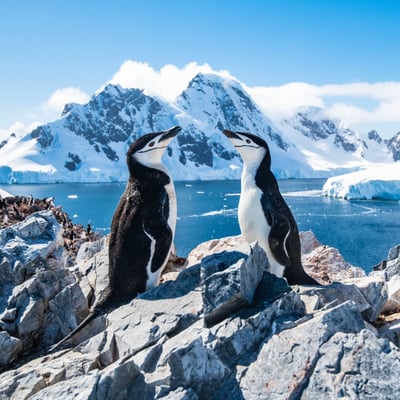
The volcanically active island of Fernandina is the youngest in the Galapagos, less than a million years old. The ecosystem is also one of the most pristine, home to a large land iguana population, and the nutrient-rich waters provide an attractive habitat for flightless cormorants and Galapagos penguins.
Flightless cormorants and marine iguana on Fernandina Island, Galapagos

12 September

Ecuador: San Cristóbal Island

San Cristóbal is the most easterly of the Galapagos islands, home to the provincial capital and second largest human settlement in the archipelago, Puerto Baquerizo Moreno. The fantastic wildlife includes fur seals, boobies and the endangered Chatham frigatebird.
Fur seals on Punta Carola beach, San Cristobal, Galapagos

13 September

Ecuador: Española Island

Española is the most southerly island in the Galapagos, and the remote location means it’s home to several endemic species, including the Española lava lizard and the Española mockingbird. In addition, the island is the sole breeding ground for the world’s entire population of waved albatrosses, which can be seen here between April and December.
Waved albatross courting on Española island, Galapagos

14 September

Ecuador: Floreana Island

Flamingos, cormorants and sea turtles can all be found around Floreana, and the island also has an interesting human history. This is the site of the famous Galapagos ‘post office’, a barrel where sailors would place letters to be transported home by passing ships.
Flamingos on Floreana island, Galapagos

15 September

Ecuador: Santiago Island

16 September

Ecuador: Baltra

The flat and arid island of Baltra, also known as South Seymour, is home to the Galapagos archipelago’s main airport, formerly a US air base. The island is inhabited by wildlife including boobies and frigatebirds, but there are no sites open to visitors, so if you see anything it will only be in passing as you transfer between airport and ship.
Baltra island, Galapagos

Before you return

One night in Quito

Disembark your voyage in Baltra and transfer to the airport for your flight to Quito. In Quito enjoy an overnight hotel stay before joining your flight back to the UK.

The ship

National Geographic Islander II

Capacity:
48 Guests
Crew:
57 Staff
Style:
Expedition cruising at its best, so expect relaxed informal evenings after adventurous days!

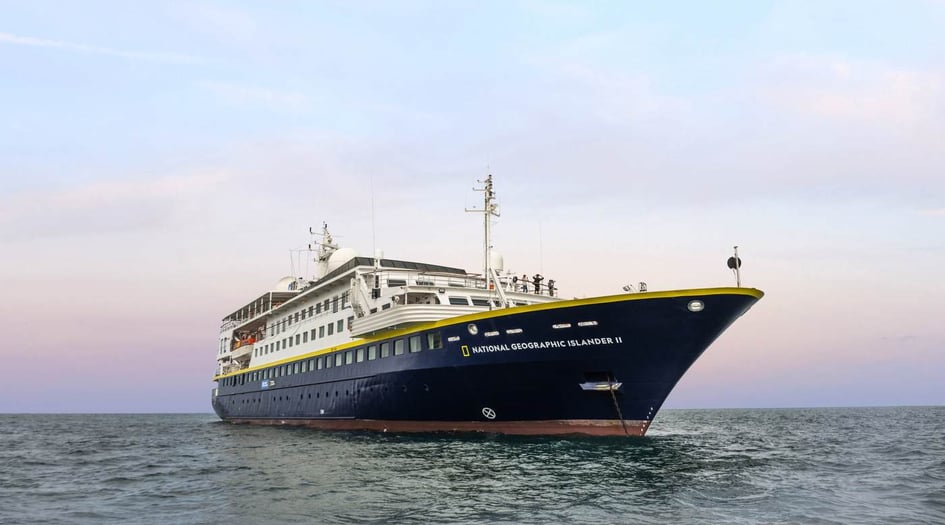
Sailing exclusively in the Galápagos Islands, the sleek National Geographic Islander II offers a comfortable base from which to explore.
What we love

Guests on board National Geographic Islander II enjoy a choice of 26 staterooms and suites, all with large picture windows, perfect for taking in the changing views of the Galápagos Islands. The usual exploration tools feature, including kayaks, a glass-bottomed boat, and a fleet of Zodiacs, plus enjoy locally-sourced cuisine and a warm Ecuadorian welcome from the onboard crew.
Learn more about National Geographic Islander II
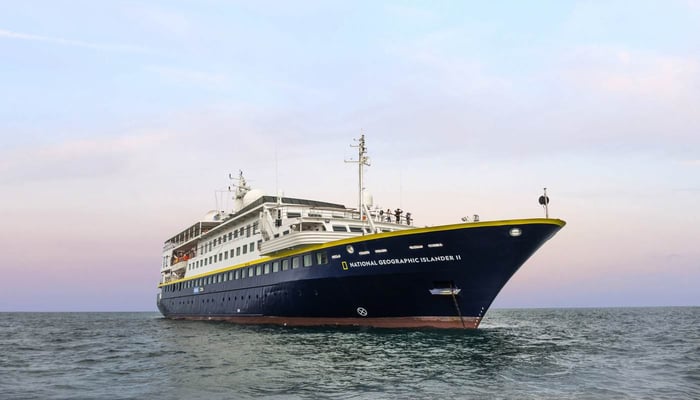
National Geographic Islander II at sea

inclusions

  • All meals on board
  • Beer, wine, cocktails, and soft drinks
  • All park fees and permits
  • Activities and excursions
  • Basic Wi-Fi package

Tailor-make your trip

Ways to make it better
    • Machu Picchu

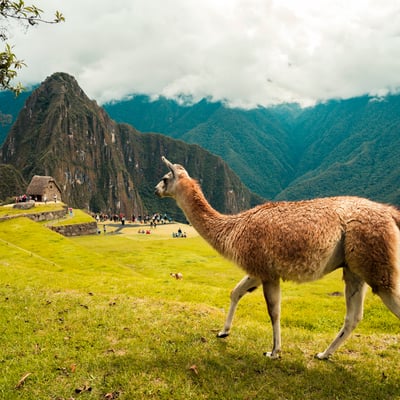
      It's easy to combine your Galapagos cruise with a trip to Machu Picchu, the enigmatic and spectacular Inca city high in the Andes.
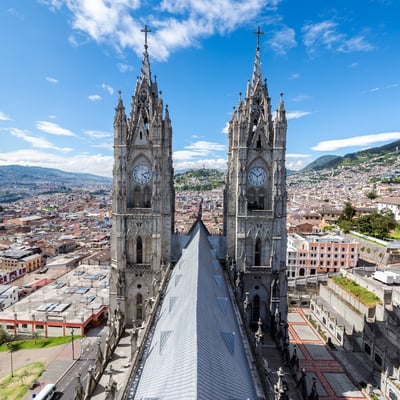
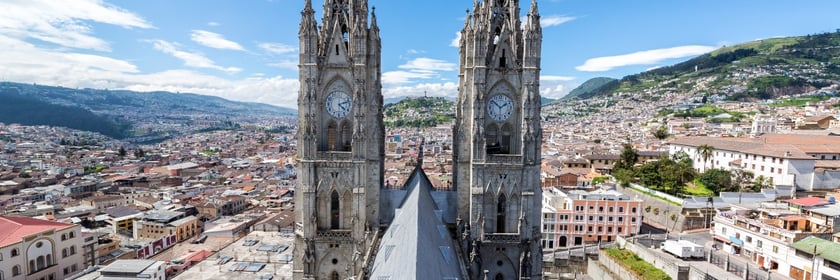
    • Basilica in Quito, Ecuador

      Colonial Quito

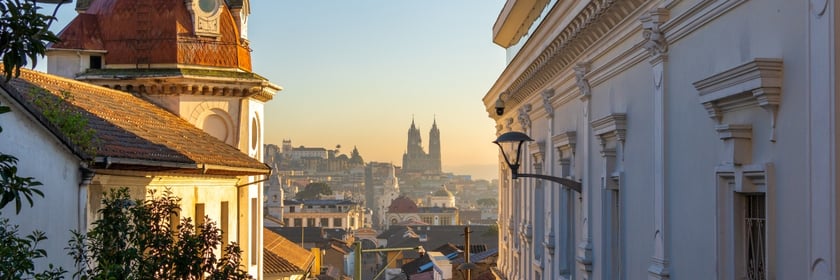
      Spend a couple of days in Ecuador's charming capital, Quito, exploring the beautiful colonial-era churches of the old town.

    How can we help?

    Our frequently asked questions

    From expedition tips to travel protection, here are some of our most-asked questions.

    visit our faqs

    Can you help with pre and post-cruise arrangements?

    Absolutely. Expedition cruises often start and end in remote destinations, and we're able to arrange everything from flights and transfers to hotels and tours. If you're keen to make the most of your time away with bespoke arrangements, we can help with all your travel needs to make sure your trip is exceptional. What's more, we are members of ABTA and we offer full ATOL protection, not to mention a 24-hour emergency contact, to give you complete peace of mind.

    Will I save by booking with Mundy Adventures?

    You'll save money and time by booking with us rather than directly with the cruise line, as well as enjoying more flexibility in your travel arrangements. We have access to preferential rates and exclusive offers, and we offer expert advice on how to get the best value.

    How much time is spent ashore?

    Itineraries are planned to deliver an unforgettable experience of the destination, so days are filled with landings ashore via the ship's fleet of Zodiacs (sturdy rubber boats) or exploration along the coastline. It will vary depending on itinerary and operators, so it's best to contact us to discuss but rest assured an expedition cruise is focused on the time you spend off the ship.

    Why Mundy?

    Who we are

    Mundy Adventures is the intrepid little brother of Mundy Cruising Ltd., the UK's very first cruise specialist, and one of the leading companies in its field.

    We specialise in travel by ship and have been doing so for over 50 years. By providing expert, personal service, insightful ideas and fascinating add-ons we aim to make your adventure holiday truly unique and special.

    More about Mundy

    We're happy to do all of that over the phone. But if you prefer to chat face to face, why not visit us at our comfortable offices on London's High Holborn - we'd be delighted to see you.