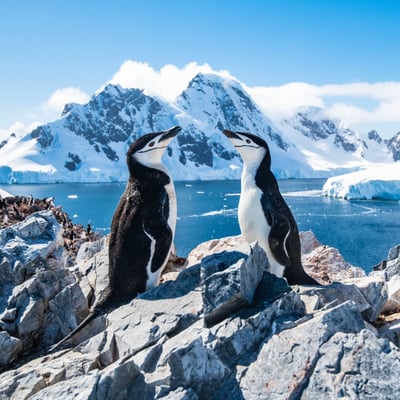
Polar bears, massive glaciers, remote Inuit communities and untouched wilderness. Arctic expedition cruises explore Svalbard, Greenland, the Canadian High Arctic and Northwest Passage by small ship. The season runs May to September with polar bear viewing, Zodiac landings and 24-hour daylight.
Arctic Expedition Cruises


Find a cruise
Arctic Expedition Cruises
HX Expeditions
Circumnavigating Spitsbergen - In the Realm of the Polar Bear
From Longyearbyen to Longyearbyen
4 Jul - 16 Jul 2026 (12 Nights)
From £8,637 per guest
Hapag-Lloyd Cruises
Expedition Svalbard Circumnavigation
From Longyearbyen to Tromsø
5 Jul - 19 Jul 2026 (14 Nights)
From £13,287 per guest

Seabourn Cruises
20-Day Scottish Isles, Iceland & Scoresbysund
From Dublin to Reykjavik
6 Jul - 26 Jul 2026 (20 Nights)
From £13,004 per guest
Hurtigruten
The Svalbard Line – North
From Bergen to Longyearbyen
7 Jul - 14 Jul 2026 (7 Nights)
From £3,054 per guest
Our Insight
Exploring the Arctic by Expedition Cruise
An ocean surrounded by land, the Arctic encompasses a vast wilderness that includes the wildlife-rich Svalbard Archipelago, the remote shores of Greenland where communities have learned to survive in the harshest conditions, the Canadian High Arctic and Northwest Passage, the Northeast Passage and Russian Far East (although itineraries here are currently paused), and even the North Pole.
Each destination has its own highlights but all offer wilderness on an almost unimaginable scale, unique habitats for endemic wildlife and a sense of exploration rarely experienced.
Highlights of an Arctic Expedition Cruise
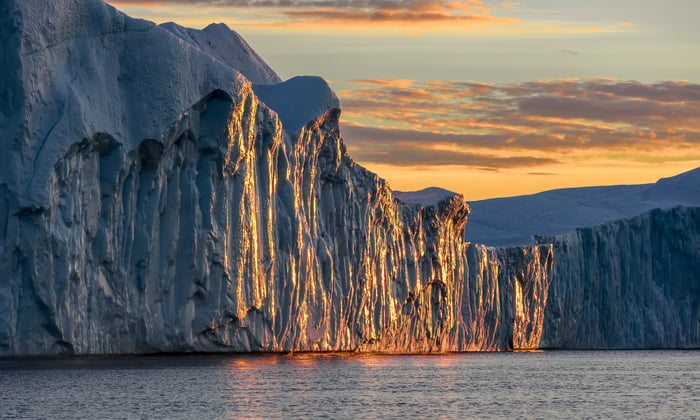
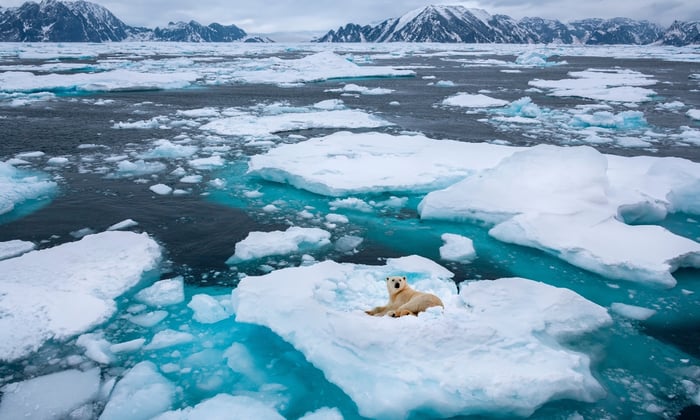
On an Arctic expedition cruise you'll see ice and snow, of course. But also an extraordinary colour palette of greys and blues, an amazing glimpse of the very bones of the land, an intriguing Inuit culture and an incredible variety of wildlife, from huge flocks of birds to lounging walrus and seals scattered across the ice. And to top it all, the Svalbard archipelago is the very best place on earth to see polar bears in the wild.
Venture into massive fjord systems, sail along towering cliffs and follow in the wake of famed explorers of old. On an Arctic expedition cruise every day brings a new highlight, each enriched by an expert team of expedition leaders who bring the region to life.
While sailing Arctic waters you might glimpse another ship on the horizon but you're more likely to encounter traces left by whalers, trappers or scientific missions of the past. Each day is filled with exploration by Zodiacs, allowing you to land ashore and in some cases venture onto the sea ice. Always accompanied by an expert guide and in some areas a polar bear spotter, your days are varied and insightful, whether focused on Inuit culture or extraordinary wildlife.
The Expedition Difference in the Arctic
Arctic expedition cruises operate on purpose-built ice-strengthened vessels carrying fewer than 200 passengers, allowing access to remote fjords and ice-filled waters that larger ships cannot reach. The shallow draft of expedition ships means closer approaches to glaciers and pack ice, while Zodiac excursions ferry passengers ashore to landing sites with no port infrastructure.
Onboard expedition teams typically include marine biologists, glaciologists, polar historians and naturalists who deliver daily lectures, lead shore excursions and provide context throughout the voyage. Topics range from the race to the North Pole and the fight for ownership of the seabed beneath, to the nesting habits of Arctic birds and the life of the polar bear, all fascinating in the context of this remarkable adventure.
Arctic Expedition Cruise Itineraries
- Arctic expedition cruise itineraries typically range from 7 to 20 nights, depending on the region covered. Svalbard expeditions often operate as round-trip voyages from Longyearbyen, circumnavigating Spitsbergen or exploring the archipelago's north and east. These typically last 7-12 nights and focus heavily on polar bear viewing and Arctic wildlife.
- Greenland itineraries range from 10-14 nights, often sailing between Iceland and Greenland's east or west coasts. These combine spectacular icebergs, Inuit communities and opportunities for kayaking among ice floes. Northwest Passage expeditions represent the ultimate Arctic challenge, typically running 14-20 nights and sailing from Greenland to Alaska or vice versa, following in the wake of historic explorers like Amundsen and Franklin.
- Some Arctic expeditions combine multiple regions, linking Svalbard with Greenland or extending to the geographic North Pole aboard an icebreaker. These longer voyages can exceed 20 nights and offer the most comprehensive Arctic experience available.
Luxury Expedition Lines Exploring the Arctic
Several luxury expedition cruise lines operate Arctic itineraries for 2026 and 2027. Ponant offers French-inflected luxury with ice-class ships exploring Svalbard, Greenland and the North Pole, combining elegant cabins with expert polar guides. Quark Expeditions specialises in polar regions with a fleet of ice-strengthened vessels and extensive adventure options including helicopter flights, camping on ice and kayaking.
HX Expeditions operates dedicated Arctic programmes with hybrid-powered ships combining Norwegian heritage with modern expedition capabilities. National Geographic-Lindblad provides naturalist-led programmes with renowned expedition staff and photography experts. Silversea's expedition fleet includes ultra-luxury options for Svalbard and Greenland with all-suite accommodations and butler service, whilst Seabourn's purpose built expedition vessels offer similar levels of luxury.
The Best Time to Cruise the Arctic
The Arctic expedition season runs from May to September when sea ice breaks up enough for ships to navigate and wildlife is most active. May and June offer the pioneering feel of breaking through pack ice, with snow-covered landscapes and hungry polar bears emerging after winter. The midnight sun begins in late April and continues through August, providing 24-hour daylight for wildlife viewing.
- July and August bring slightly warmer temperatures (typically 1-7°C) and the fullest bloom of Arctic flora. These months offer the best conditions for circumnavigating Svalbard and pushing further north as ice retreats. August also marks peak season for Northwest Passage transits as the route becomes most accessible.
- September sees the return of longer nights and the first chance of witnessing the Northern Lights, though expedition options become more limited as ice begins reforming. Each month offers a different Arctic experience with varying ice conditions, wildlife patterns and accessibility to remote regions.
Travel Tips and FAQs for Arctic Expedition Cruising
What should I pack for an Arctic expedition cruise?
Pack warm layered clothing including base layers, fleece mid-layers and a waterproof outer shell. Essential items include insulated waterproof boots (often provided by the ship), warm hat, gloves, sunglasses and high-SPF sunscreen. Despite cold air temperatures, the Arctic sun reflects intensely off ice and snow. Bring binoculars for wildlife viewing and a camera with telephoto lens for polar bears and distant subjects.
How cold is it on an Arctic cruise?
Arctic summer temperatures range from 0-7°C, occasionally reaching 10°C on warmer days. Wind chill can make conditions feel significantly colder, particularly on Zodiac excursions. Modern expedition ships feature heated cabins, lounges and observation decks, so you'll spend time indoors warming up between outdoor activities. Layering allows you to adjust to varying conditions throughout the day.
Are polar bear sightings guaranteed?
Polar bear sightings are never guaranteed as these are wild animals in vast wilderness areas. However, Svalbard offers the best chances globally, with approximately 3,000 polar bears in the Barents Sea region. Experienced expedition teams maximize opportunities by monitoring ice conditions and known feeding areas. Most Svalbard voyages report multiple polar bear sightings, though some see none while others encounter numerous bears.
How close do ships get to polar bears?
Strict regulations govern polar bear viewing. Ships must maintain minimum distances of 300 metres year-round, extending to 500 metres from March to June during breeding season. Expedition teams prioritize animal welfare and follow Association of Arctic Expedition Cruise Operators (AECO) guidelines. Powerful binoculars and telephoto lenses are essential for optimal viewing while respecting wildlife.
What other wildlife can I expect to see?
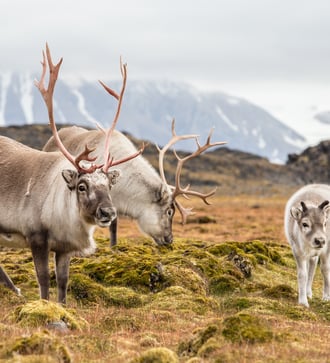
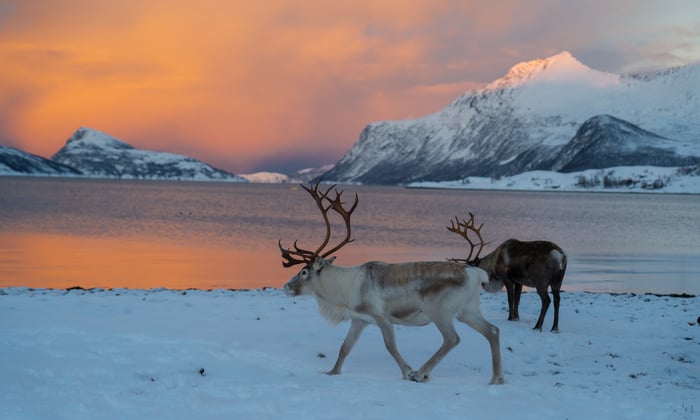
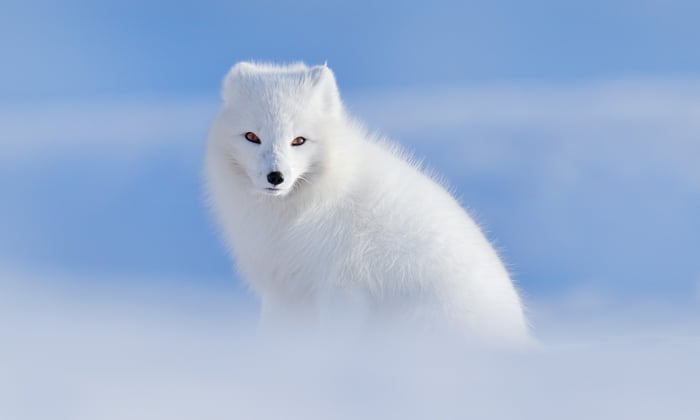
Arctic wildlife viewing extends far beyond polar bears. Walrus haul-outs provide opportunities to observe these massive pinnipeds at close range. Whale species including humpback, fin, bowhead, beluga and occasionally narwhal frequent Arctic waters. Arctic foxes, Svalbard reindeer and musk oxen inhabit the tundra. Seabird colonies contain millions of birds including puffins, guillemots, kittiwakes and Arctic terns.
Can I kayak or camp on the ice?
Many expedition operators offer optional activities including sea kayaking among ice floes, camping overnight on ice or tundra, and helicopter flights over glaciers. These activities incur additional costs and have fitness requirements. Advance booking is recommended as spaces are limited. All activities operate under strict safety protocols with experienced guides.
Do I need any vaccinations for the Arctic?
No specific vaccinations are required for Arctic travel. Standard travel insurance is recommended. The Arctic presents risks from cold exposure, so following expedition team guidance regarding layering and exposure limits is essential. Ships carry medical facilities and staff trained in polar medicine.
What fitness level is required?
Reasonable mobility is needed for boarding Zodiacs from gangways or platforms. Shore landings often involve wet or dry Zodiac landings on rocky or uneven terrain. Most expedition ships offer varying activity levels from gentle walks to more strenuous hikes. You should be comfortable walking on slippery or uneven surfaces and capable of spending several hours outdoors in cold conditions.
collections

Svalbard & the North Pole
Travel further north than 99.99% of the population to Spitsbergen and the Svalbard archipelago on a Svalbard expedition, where you really will feel as if you have gone to another planet – a magical experience.
Learn more
Greenland & Northwest Passage
Breathtaking scenery, great wildlife and a fascinating history are the key features of Greenland, with access to the fabled Northwest Passage on exciting cruises to Greenland.