Meet the Experts

Dining on National Geographic-Lindblad Expeditions is built around the places that guests travel through. Food is treated as part of the expedition itself, as a way of understanding the landscape, culture and community. It sits in the background when it needs to, then steps forward when it has something to say.
This thinking is led by Ana Esteves, Senior Vice President of Hotel Operations, whose influence reaches far beyond menus and meal service. With a background rooted in professional kitchens across multiple continents, Ana has quietly reshaped how food functions aboard Lindblad's ships. Her approach is practical, grounded and deeply intentional.
In our conversation with Ana, it became clear that her approach to food is shaped by the realities of life on board.
"When I started, I had to understand something very quickly. People are not travelling with Lindblad to come and see my food," she explains.
"They are there for the destination. If something incredible is happening outside, they should leave the table. That's the point. The food needs to work around that, not fight it."
Ana Esteves on food and expedition travel
During her interview with Mundy, Ana traced her path from professional kitchens to expedition travel and how that journey reshaped her understanding of luxury, leadership and… restraint.
We asked Ana how her background in traditional luxury kitchens translated into expedition travel and where she felt the biggest adjustment had been.
Ana's relationship with food began long before she stepped on board an expedition vessel. Raised in a multicultural household with Venezuelan and Lebanese roots, cooking was part of her everyday life. Food for her has always been personal, practical and most importantly, shared.
She moved to Miami at just 15 years old and started working in a restaurant at 17. Before taking a gap year in France, then returning to the US and working her way into Mandarin Oriental, becoming a sous chef in her early twenties. At 22, she took an executive chef role in Beijing just before the Olympics, ran multiple menus, changed them weekly and later moved into corporate leadership roles in Vietnam, overseeing both kitchens and operations across a restaurant group.
She describes that period as the point where she learned how luxury standards work behind the scenes and how much local markets and regional ingredients shape a menu.
"I always knew chefs need space to be creative," she says. "If you take that away, you lose the light."
When Ana joined Lindblad Expeditions in 2014, she entered a very different world. Expedition travel runs on natural time, not service schedules. Wildlife dictates the day and weather can reshape your plans.
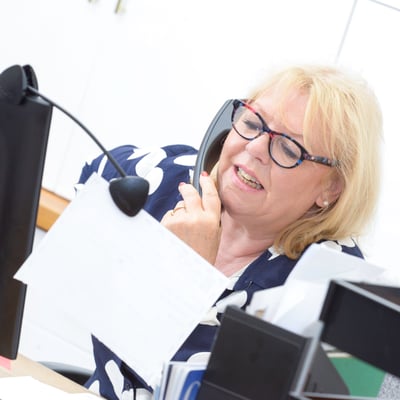
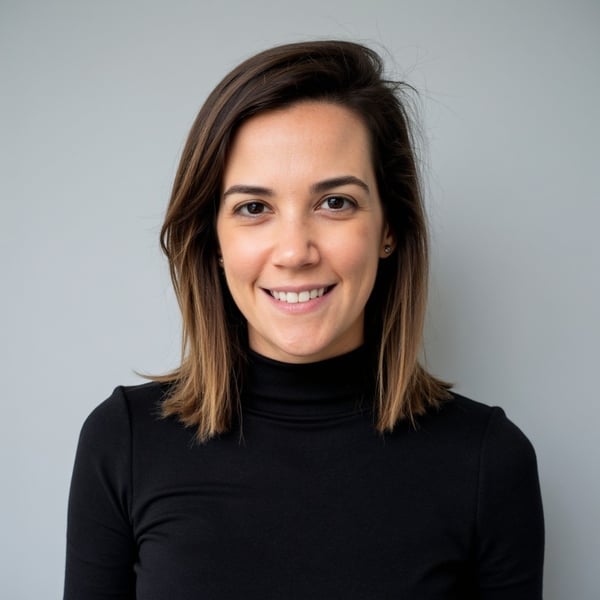
Image: Ana Esteves, Vice President of Hotel Operations, National Geographic-Lindblad Expeditions
She recalls one of her earliest realisations. "You can have the most beautiful dinner in front of someone, but if there are whales outside, they will leave their plate and go. And that's exactly how it should be."
Rather than trying to control that reality, Ana built the culinary programme around it.
Meals needed to be flexible, comforting and reliable without being overly rigid. Something guests could return to after long days ashore feeling physically tired but mentally alive.
"I had to learn to be muted in luxury. It's not diamonds and bells. It's intuition. Knowing that someone will want something familiar tonight and something adventurous tomorrow."
Why the Galápagos changed everything
When we asked where her approach truly took shape in practice, Ana returned again and again to the Galápagos.
Building a farm-to-table programme from scratch
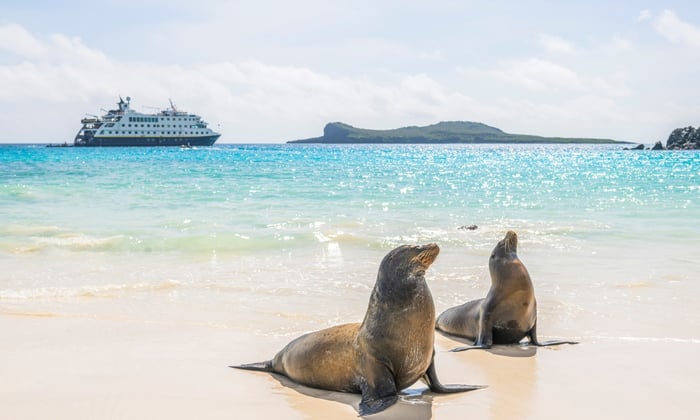
The Galápagos Islands became the place where Ana's philosophy fully took shape. In 2017, Lindblad launched a farm-to-table programme there that would later influence the entire fleet.
At the time, sourcing locally in the Galápagos was not standard practice. Agriculture on the islands is small-scale and tightly regulated. Many producers worked in isolation. Plus, distribution was inconsistent.
Ana spent time walking around farms, visiting markets and listening to the locals. One moment in the highlands stayed with her. A farmer was harvesting carrots, throwing the small, misshapen ones back into the soil.
"He wanted to give me the biggest carrots because he was proud, but those little ones told the real story. They were honest."
Working with local producers and regulators
Working alongside the Galápagos Ministry of Agriculture, Ana helped create a coordinated growing calendar. Farmers specialised in different crops at different times. So, Lindblad committed to buying consistently. This system reduced waste, avoided competition and gave farmers the confidence to invest.
"They didn't need more land or more chemicals, they just needed organisation."
Today, much of the fresh produce served on board is grown on the islands. Seafood is sourced locally within strict sustainability limits. Coffee is harvested, roasted and brewed in the Galápagos.
For guests, the difference is immediate. Meals feel rooted in the place. Flavours make sense. Food becomes another layer of understanding the islands rather than something imported.
For communities, the impact is lasting. Farming becomes viable, knowledge is then shared and the income stays local. Conservation is supported through use rather than exclusion.
What "local sourcing" means in practice
What also makes the Galápagos programme distinctive is how operationally embedded it is. This is not a sourcing story that sits on paper while ships operate separately. It shapes how voyages run day to day.
Menus are planned with local availability in mind months in advance, but chefs are expected to adjust constantly. If weather disrupts fishing trips, menus have to pivot. If a harvest comes in stronger than expected, dishes need to change to reflect it. That flexibility reduces pressure on suppliers and keeps waste low.
"We don't want farmers growing things we won't use. And we don't want chefs forcing menus that don't make sense that week."
That mindset filters through the entire onboard experience. Guests may not notice the adjustments happening in real time, but they feel the result. Food feels fresh, authentic and unforced. It mirrors the way the expedition itself unfolds.
Food as part of the learning experience
"Our guests are there because of education and science. Any time I can bring something local to the table, it becomes part of that learning."
Menus reflect its geography. The ingredients reflect the culture. Stories are shared naturally, often by the people who grew up with the food.
Chefs are encouraged to adapt daily. If something exceptional is available locally, it goes on the menu.
"I want chefs to have autonomy, but autonomy with responsibility."
The crew play a central role in this process. In the Galápagos, all crew are Ecuadorian, including those in the kitchen. Many of them have personal ties to the dishes they prepare.
When those stories are shared, guests are more likely to listen. That way, food becomes a conversation rather than a service.
Signature dining experiences
Some of the clearest expressions of Ana's thinking appear in Lindblad's structured dining experiences.
Charlie's Table, which is offered on National Geographic Endurance, is an intimate tasting dinner hosting all guests once per voyage. The equivalent experience on her sister ship, National Geographic Resolution, is Cook's Nook, built around a zero-waste approach and a more conversational format.
When we talked about structured dining, Ana was clear that she was not interested in spectacle for its own sake.
"I refused to just do another tasting menu, it had to tell a story."
The first set menu at Charlie's Table recreated how Shackleton and his crew ate, interpreted through a modern lens. Guests returned to their cabins to find chocolate gold coins, a quiet continuation of the story.
"That's surprise and delight," she says. "But it's also respect."
"We all talk about hunger and food waste, this puts that conversation on the table without being political."
These structured experiences also serve another purpose. They give chefs a platform to share their thinking directly with the guests.
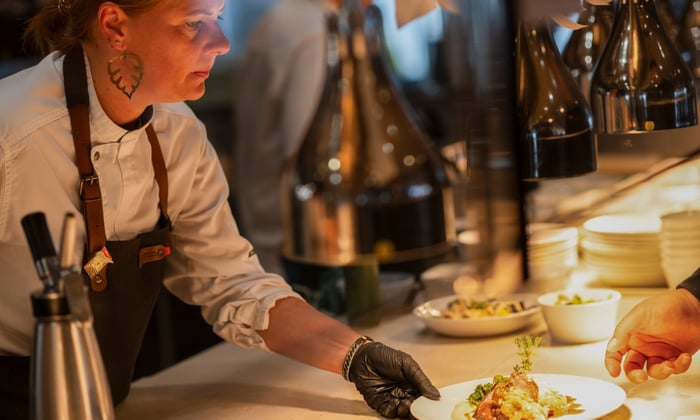
"I want our chefs visible, I want guests to understand who is cooking for them and why."
Developing new menus and ideas
We asked what she is currently working on and how much time these ideas actually take to develop.
Ana is also developing two new menus for the programme. She describes them as story-led in the same way as the Shackleton and Zero Waste experiences but built around different themes. She also stressed the work behind the scenes, saying these dinners and stories take over 200 hours to conceptualise and get right.
One of the concepts she shared is built around foods linked to happiness and wellbeing, using food as a way to explore how science, mood and eating intersect. It is still in development, but the intent is clear. The menu is part of the story.
That transparency builds trust. Guests see the complexity of cooking in remote environments. They understand why choices are made. That way sustainability becomes practical rather than abstract.
Beyond the plate: food, craft and community
Ana's thinking extends way beyond food. The same principles underpin National Geographic-Lindblad Expedition's work with artisans and local communities.
"I am a conservationist at heart," she says. "Tourism can be dangerous if it's not done right."
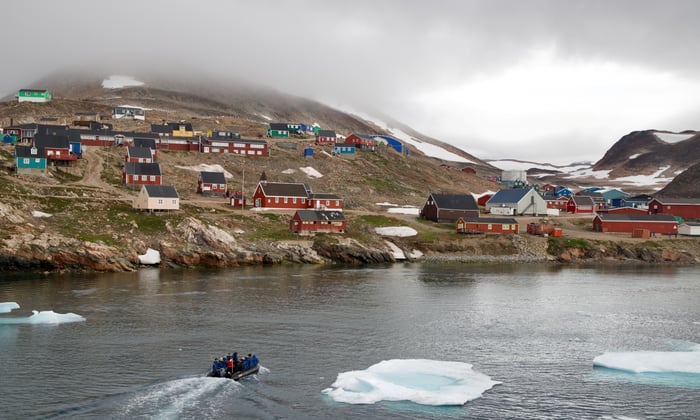
Through the company's Artisan Fund, communities in places like Greenland and the Galápagos are supported to develop sustainable livelihoods rooted in traditional skills.
Food, craft and community all sit within the same system. None exist in isolation.
Applying the approach worldwide
What began in the Galápagos now informs Lindblad's approach worldwide. In Antarctica, provisioning is done through South America and the Falklands wherever possible. In Central America, local fruit and cacao are prioritised. In the Arctic, regional suppliers shape the menus.
It is not about purity. Some ingredients cannot be sourced locally without harm.
"We always ask, what makes sense here?" Ana says. "That question matters more than rules."
How this approach shapes the onboard experience
National Geographic-Lindblad Expeditions is not trying to be traditional luxury. The focus is the destination and everything on board is designed to serve it.
Ships are built for exploring. Days are full, active and shaped by wildlife and weather. The food follows the same logic. It is thoughtful and well executed, but it does not try to compete with what you came to see.
Listening, adapting and evolving
Ana does not talk about what she has built in grand terms. She talks about systems, people and listening closely to how things work in practice. Her decisions are shaped by what happens on board, in the galley and ashore, rather than by abstract ideas of luxury.
That mindset runs through Lindblad's culinary programme. It is not fixed or performative. It evolves constantly, shaped by destinations, communities and experience. As itineraries change, so do menus. As relationships deepen, so does understanding. The food adapts in the same way an expedition does, responsive rather than rigid.
Local sourcing is used where it genuinely works. In some destinations, sourcing everything locally would put pressure on fragile environments or limited supply, so certain ingredients are brought in instead.
On board, meals are rarely the focal point of the day. Wildlife sightings interrupt dinner. Briefings run late. Plans shift. And yet, guests return to the dining room feeling looked after. Nourished. Happy.
That is the quiet success of the programme. Food does not demand attention, but it supports everything around it. It reflects where you are, who you are travelling with and why you came in the first place.
On a National Geographic-Lindblad Expeditions voyage, dining is not a performance.
It is part of the journey.
"I learn the most from our guests, if you listen properly, they tell you what they need."
And long after the ship has sailed on, it is often the taste of a place, the story behind a dish, or the care taken in how it was served, that stays with you.

Meet the Author

Find a cruise
Voyages with National Geographic-Lindblad Expeditions
National Geographic - Lindblad Expeditions
Galápagos Escape: An 8-Day Voyage
From Quito to Quito
11 Jul - 16 Jul 2026 (5 Nights)
From £10,794 per guest
National Geographic - Lindblad Expeditions
Alaska's Inside Passage
From Juneau to Sitka
11 Jul - 18 Jul 2026 (7 Nights)
From £10,394 per guest
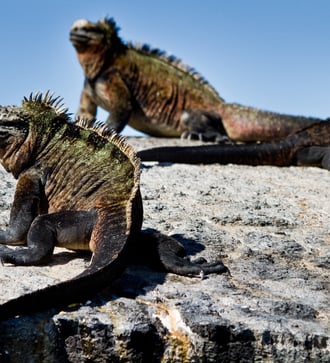
National Geographic - Lindblad Expeditions
Epic Galápagos Escape
From Quito to Quito
11 Jul - 21 Jul 2026 (10 Nights)
From £19,845 per guest
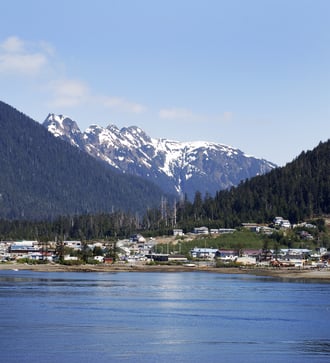
National Geographic - Lindblad Expeditions
Alaska's Inside Passage
From Juneau to Sitka
12 Jul - 19 Jul 2026 (7 Nights)
From £11,079 per guest
Related articles