Speak to one of our experts

Call +44 20 7399 7630

From Lima (Callao) to Quito

Galápagos Islands - Nine of the Best Isles

Dates:
1 Sep - 16 Sep 2026
Duration:
15 Nights
Journey type:
Cruise only (please call for flight options)
No. of ports:
22
Ship:
MS Santa Cruz II
Cruise Line:
HX Expeditions
Fares:

From £7,668 pp

Bartolomé Island, Galapagos

From Lima (Callao) to Quito

Galápagos Islands - Nine of the Best Isles

Dates:
1 Sep - 16 Sep 2026
Duration:
15 Nights
Journey type:
Cruise only (please call for flight options)
No. of ports:
22
Ship:
MS Santa Cruz II
Cruise Line:
HX Expeditions
Fares:

From £7,668 pp

Voyage Itinerary

1 September to 2 September

Setting sail from Lima (Callao)

Peru's underrated capital enjoys a fine setting on the Pacific coast, and the handsome colonial-era buildings surrounding the Plaza de Armas give clues to Lima's distinguished history; for three centuries this was the capital of the Spanish Americas, when the city grew rich on the back of plundered Inca gold. Modern Lima can be a little hectic, the roads often clogged with traffic, but the historic centre has an undeniable charm to it, and in recent years a clutch of innovative restaurants have helped to put Peruvian cuisine on the map.
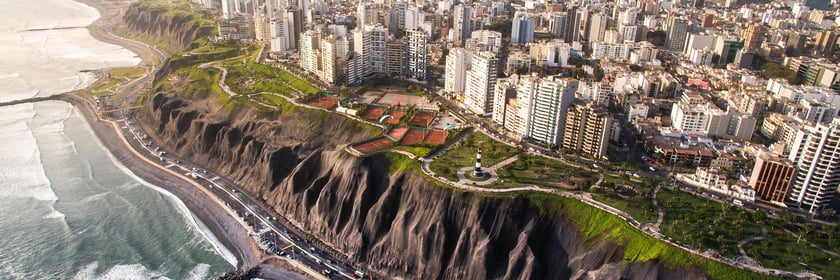
Miraflores cliffs in Lima, Peru
Machu Picchu, Peru

Our tip

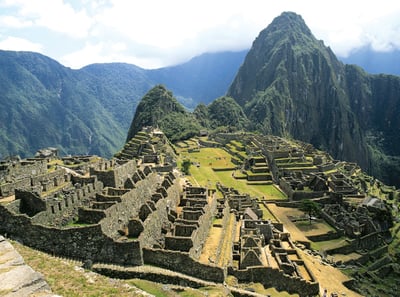
This is the hop-off point to fly to Cusco and Machu Picchu, which is obviously a must-do, but schedule time in Lima too if you can, it’s a fascinating city.

3 September

Ecuador: Baltra

The flat and arid island of Baltra, also known as South Seymour, is home to the Galapagos archipelago’s main airport, formerly a US air base. The island is inhabited by wildlife including boobies and frigatebirds, but there are no sites open to visitors, so if you see anything it will only be in passing as you transfer between airport and ship.
Baltra, Galapagos

3 September

Ecuador: Cerro Dragón (Santa Cruz)

The aptly named Cerro Dragón, or ‘Dragon Hill’, is known for its population of land iguanas. These creatures were very nearly wiped out by feral dogs in the 1970s, but the conservation efforts of the Charles Darwin Foundation and the Galapagos National Park have been very successful in protecting the iguanas and growing their numbers.
Galapagos land iguana

4 September

Ecuador: Punta Vicente Roca

Punta Vicente Roca is one of the best snorkelling locations off the coast of Isabela, and the waters at the base of the cliffs teem with life, including sea turtles, sea lions and Galapagos penguins. There are also caves where you can see birds including brown noddies and flightless cormorants.
Sea turtle in the Galapagos

4 September

Ecuador: Fernandina Island

The volcanically active island of Fernandina is the youngest in the Galapagos, less than a million years old. The ecosystem is also one of the most pristine, home to a large land iguana population, and the nutrient-rich waters provide an attractive habitat for flightless cormorants and Galapagos penguins.
Flightless cormorants and marine iguana on Fernandina Island, Galapagos

4 September

Ecuador: Puerto Ayora

Puerto Ayora is the largest town in the Galapagos, on the south coast of Santa Cruz island. From here you can visit the lush highlands where giant tortoises roam free, and you can learn more about tortoise conservation at the Charles Darwin Research Station.
Galapagos giant tortoise on Santa Cruz island

5 September

Ecuador: Post Office Bay (Floreana)

Flamingos, cormorants and sea turtles can all be found around Floreana, and the island also has an interesting human history. This is the site of the famous Galapagos ‘post office’, a barrel where sailors would place letters to be transported home by passing ships.
Post Office Bay on Floreana, Galapagos

5 September

Ecuador: Isla Champion

6 September

Ecuador: Punta Cormorant (Floreana Island)

The name is slightly misleading, as you won't find any cormorants here! Instead you'll discover a wonderful white sand beach where turtles and stingrays swim in the shallows, and a brackish lagoon where vivid pink American flamingos nest.
Flamingo at Punta Cormorant on Floreana, Galapagos

7 September

Ecuador: Baltra

The flat and arid island of Baltra, also known as South Seymour, is home to the Galapagos archipelago’s main airport, formerly a US air base. The island is inhabited by wildlife including boobies and frigatebirds, but there are no sites open to visitors, so if you see anything it will only be in passing as you transfer between airport and ship.
Baltra, Galapagos

7 September

Ecuador: Las Bachas

The beautiful beaches of Las Bachas, on the north coast of Santa Cruz island, are a key nesting site for sea turtles. The name Las Bachas derives from a mispronunciation of the word ‘barges’, after the American army abandoned several barges here at the end of the Second World War.
Marine iguana on Las Bachas beach, Santa Cruz, Galapagos

8 September

Ecuador: Buccaneer Cove, Santiago Island, Galapagos Islands

8 September

Ecuador: Puerto Egas

9 September

Ecuador: Rábida Island

Rábida Island is known for its distinctive red sand beaches, which owe their unusual colour to the high iron content of the volcanic material found on the island. As you come ashore you are likely to encounter sea lions lounging on the beach, along with marine iguanas, brown pelicans and flamingos.
Sea lions on red sand beach on Rábida Island, Galapagos

9 September

Ecuador: Bartolomé Island

The summit of Bartolomé Island offers outstanding views of some of the Galapagos archipelago’s most spectacular volcanic scenery, including the much-photographed Pinnacle Rock. The island is also home to penguins, sea lions and turtles, with some great snorkelling spots just offshore.
Bartolomé Island, Galapagos

10 September

Ecuador: El Barranco (Genovesa Island)

At El Barranco, also known as Prince Philip’s Steps after the Duke’s visit in 1964, you’ll ascend the lava rock cliffs to a plateau where Genovesa’s amazing birdlife comes to the fore. Look out for species including storm petrels, Nazca and red-footed boobies, magnificent frigatebirds and short-eared owls.
El Barranco, Genovesa Island, Galapagos

11 September

Ecuador: Bahia Darwin (Genovesa)

The horseshoe-shaped island of Genovesa, located in the northeast of the Galapagos archipelago, is best known for its abundant bird life. Red-footed boobies can be found in significant numbers here, along with storm petrels, frigatebirds, mockingbirds and short-eared owls.
Great frigate bird in Darwin Bay, Genovesa, Galapagos

11 September to 12 September

Ecuador: Baltra

The flat and arid island of Baltra, also known as South Seymour, is home to the Galapagos archipelago’s main airport, formerly a US air base. The island is inhabited by wildlife including boobies and frigatebirds, but there are no sites open to visitors, so if you see anything it will only be in passing as you transfer between airport and ship.
Baltra, Galapagos

13 September

Ecuador: Santiago Island

14 September

Ecuador: Rábida Island

Rábida Island is known for its distinctive red sand beaches, which owe their unusual colour to the high iron content of the volcanic material found on the island. As you come ashore you are likely to encounter sea lions lounging on the beach, along with marine iguanas, brown pelicans and flamingos.
Sea lions on red sand beach on Rábida Island, Galapagos

15 September

Ecuador: Genovesa Island

The horseshoe-shaped island of Genovesa, located in the northeast of the Galapagos archipelago, is best known for its abundant bird life. Red-footed boobies can be found in significant numbers here, along with storm petrels, frigatebirds, mockingbirds and short-eared owls.
Red-footed booby on Genovesa island, Galapagos

16 September

Arriving in Quito

Quito is Ecuador's lofty capital, a fascinating city with a dramatic setting high in the Andes. Most visitors gravitate towards the beautiful UNESCO-listed Old Town, packed full of colonial treasures such as the Monastery of San Francisco and the Metropolitan Cathedral.
Basilica in Quito, Ecuador

The ship

MS Santa Cruz II

Capacity:
90 Guests
Style:
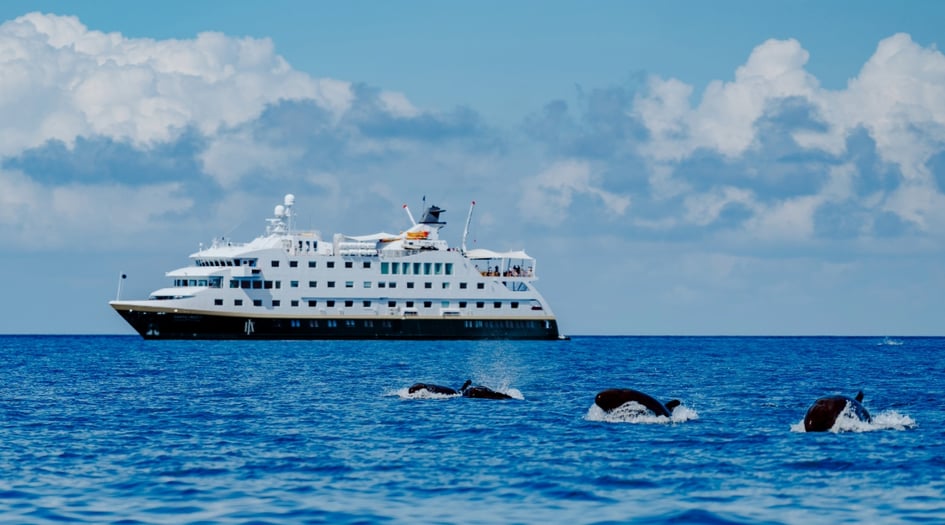
Operating solely in this region, MS Santa Cruz II offers the ultimate Galápagos Islands experience with activity-filled days and a relaxed atmosphere on board.

On this little ship you get the ideal combination of decades of experience in the region with a state of the art expedition vessel refurbished to a high standard.
What we love

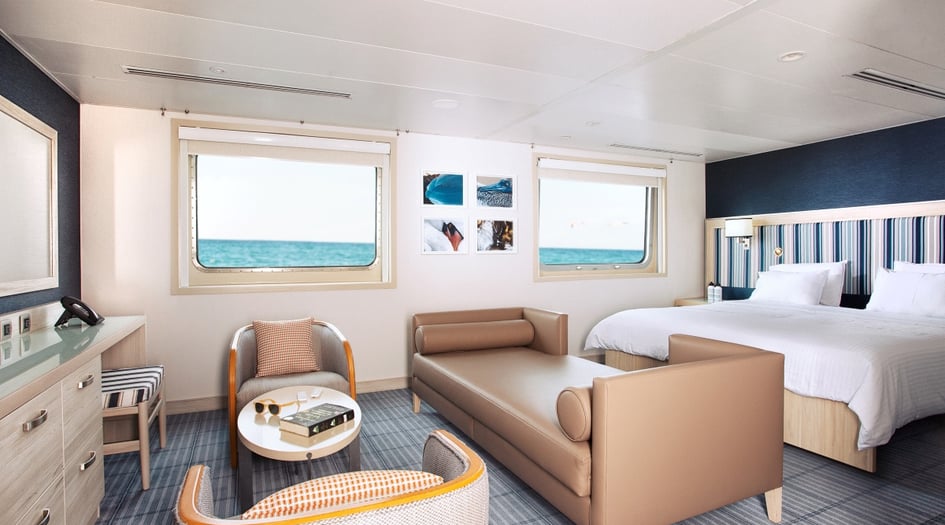
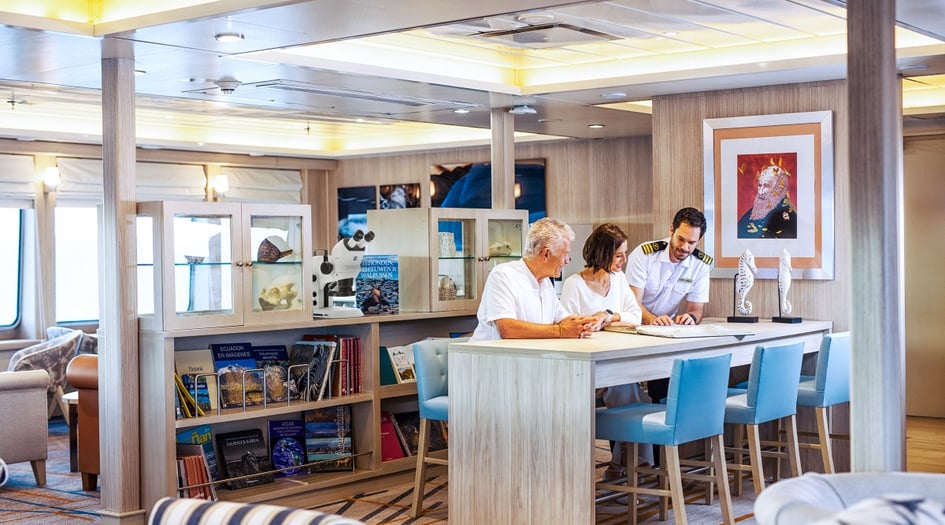
MS Santa Cruz II has comfortable accommodation (163 square feet) with a few larger suites and interconnecting rooms for family groups, as well as single occupancy cabins. Excellent facilities, two outdoor hot tubs, great areas to interact with the experts on board, indoor and outdoor dining areas and a well-stocked library make the ship a great choice for exploring the Galapagos.
Learn more about MS Santa Cruz II
HX Expeditions' ship MS Santa Cruz II in the Galapagos. Image credit: Andres Mesias/HX

inclusions

  • All meals
    
  • Alcoholic and soft drinks throughout the day
  • Complimentary WiFi
  • Loan of snorkel gear and equipment for activities
  • An expedition jacket, backpack or another piece of HX kit depending on the region
  • Selected excursions and activities
  • Gratuities

Tailor-make your trip

Ways to make it better
    • Country Club Lima Hotel

      Where to stay in Lima

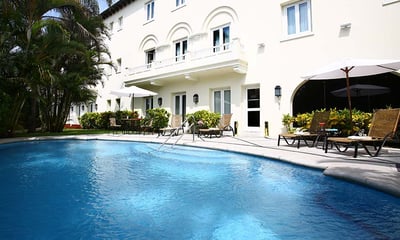
      We like the Country Club Lima Hotel for a bit of colonial style.
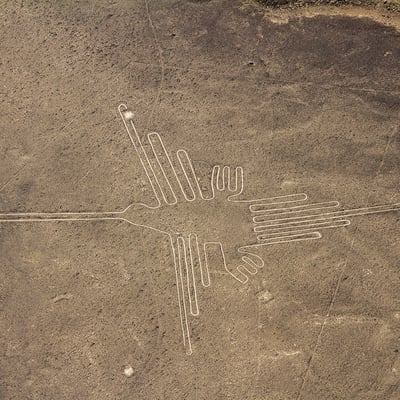
    • Nazca Lines, Peru

      See more of Peru

      Travel south from Lima to Nazca to see the extraordinary Nazca Lines – well worth the journey, and stay on at the beach if you have time to spare.

    How can we help?

    Our frequently asked questions

    From expedition tips to travel protection, here are some of our most-asked questions.

    visit our faqs

    Can you help with pre and post-cruise arrangements?

    Absolutely. Expedition cruises often start and end in remote destinations, and we're able to arrange everything from flights and transfers to hotels and tours. If you're keen to make the most of your time away with bespoke arrangements, we can help with all your travel needs to make sure your trip is exceptional. What's more, we are members of ABTA and we offer full ATOL protection, not to mention a 24-hour emergency contact, to give you complete peace of mind.

    Will I save by booking with Mundy Adventures?

    You'll save money and time by booking with us rather than directly with the cruise line, as well as enjoying more flexibility in your travel arrangements. We have access to preferential rates and exclusive offers, and we offer expert advice on how to get the best value.

    How much time is spent ashore?

    Itineraries are planned to deliver an unforgettable experience of the destination, so days are filled with landings ashore via the ship's fleet of Zodiacs (sturdy rubber boats) or exploration along the coastline. It will vary depending on itinerary and operators, so it's best to contact us to discuss but rest assured an expedition cruise is focused on the time you spend off the ship.

    Why Mundy?

    Who we are

    Mundy Adventures is the intrepid little brother of Mundy Cruising Ltd., the UK's very first cruise specialist, and one of the leading companies in its field.

    We specialise in travel by ship and have been doing so for over 50 years. By providing expert, personal service, insightful ideas and fascinating add-ons we aim to make your adventure holiday truly unique and special.

    More about Mundy

    We're happy to do all of that over the phone. But if you prefer to chat face to face, why not visit us at our comfortable offices on London's High Holborn - we'd be delighted to see you.