Destination Reviews

Island hopping from one idyllic lagoon to another, exploring tropical coastlines, and discovering remote paradises made famous by the explorers of old - warm water expeditions are an incredible way to travel to some of the most fascinating destinations on the planet and offer an adventure like no other. I look at the differences between the Kimberley and the Galapagos to help you decide between these two extraordinary places and give a few hints on the factors you may wish to consider when choosing your adventure...
From Papua New Guinea to Costa Rica and from the Pacific to the Atlantic, there are so many destinations vying for your attention it can be difficult to decide. Having travelled to two of the best, read on for all you need to know about deciding between the Kimberley and the Galapagos...
The Kimberley vs The Galapagos: Which to Choose?
Best for Wildlife
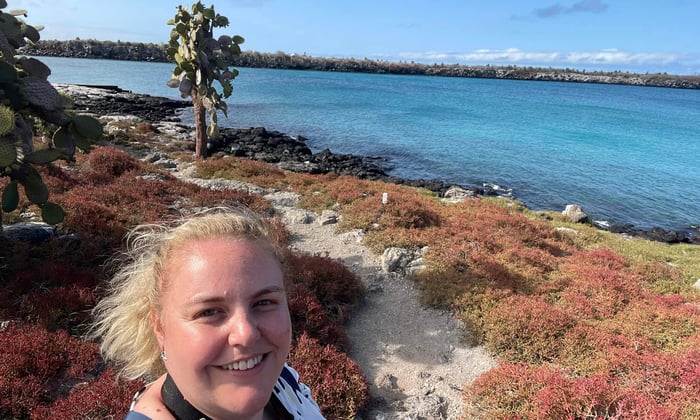
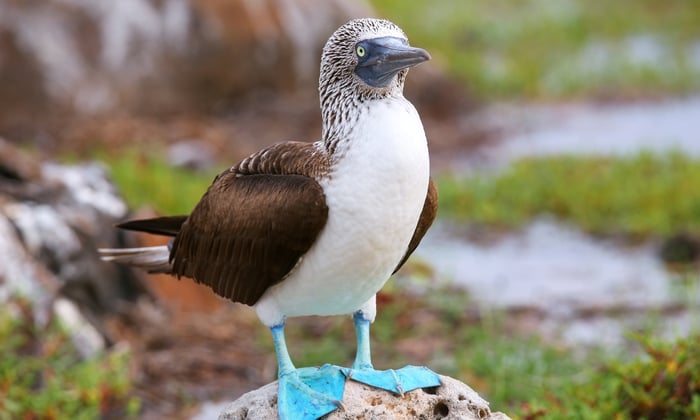
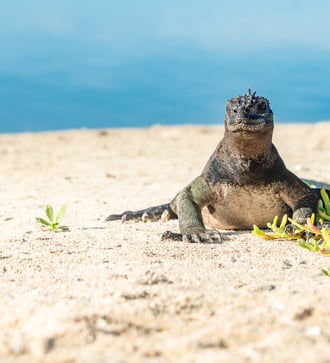
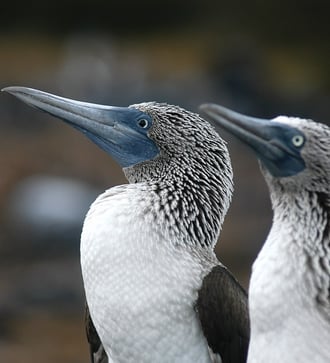
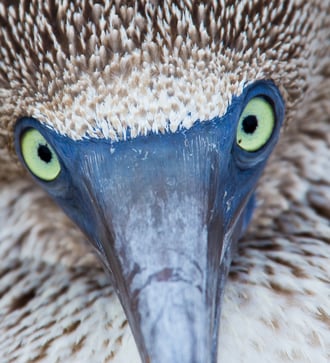
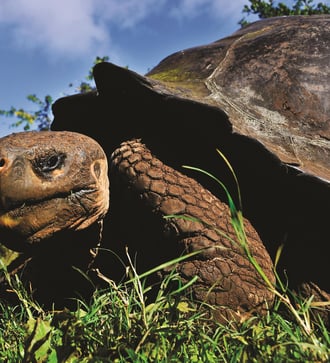
The Galapagos - Famed for their numerous endemic species, the Galapagos Islands are a wildlife lovers' dream. The moment I arrived in Baltra I was faced with huge sea lions lazing on the quayside and massive herons looking for their next meal, both totally unafraid of me. Across the islands, huge tortoises, dancing blue-footed boobies, sea and land iguanas, and too many bird species to remember were all incredible to see and seemed not to pay the least bit of attention to my group's presence.
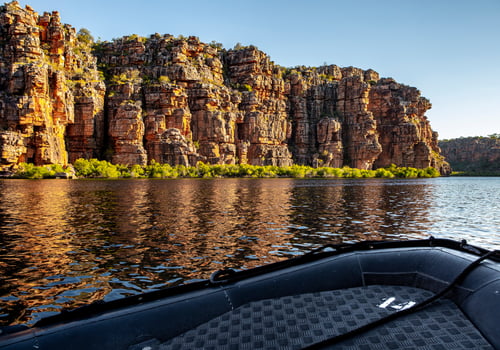
The Kimberley - On land you may spot rock wallabies, dingoes, possums, or echidnas but most wildlife can be seen from the water. The area's mangroves are an incredible habitat to explore from the ship's Zodiacs and are teeming with mudskippers, fiddler crabs, and a huge variety of bird species which are perhaps most noticeable at Montgomery Reef.
Here the huge tidal change reveals the reef and birds flock to make the most of the easier pickings as fish are caught in the newly created shallows. In the water, turtles, octopuses, dugongs, sharks, and saltwater crocodiles are found, the latter meaning that excursions are limited to dry land and the Zodiacs.
Conclusion - Galapagos wins!
Best for Scenery
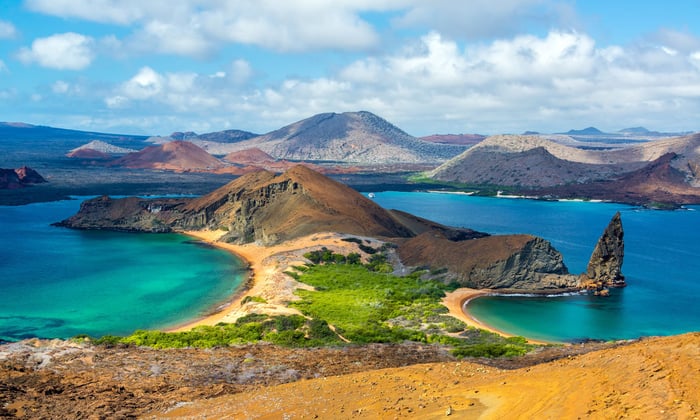
The Galapagos - These isolated volcanic islands differ amongst themselves depending on when they were formed and how much volcanic activity there still is. Little rainfall across the region means some islands are quite desert-like in appearance, with the older eastern islands having the most greenery and the newer western islands having the most volcanic activity.
There are red, white, and black sand beaches, lava floes create maze-like coasts and cave networks, and we've even had a guest witness a small volcanic eruption they were able to view from a safe distance.
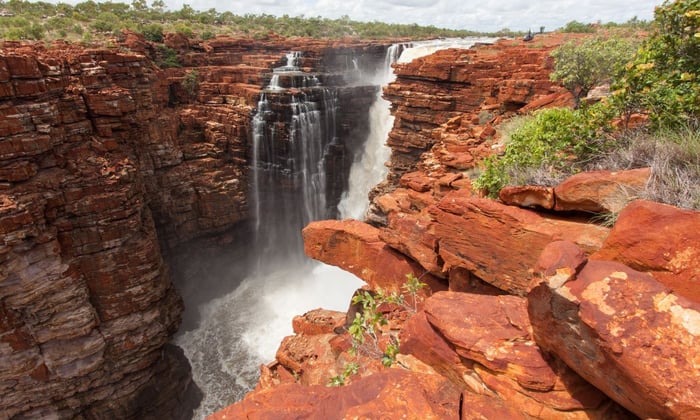
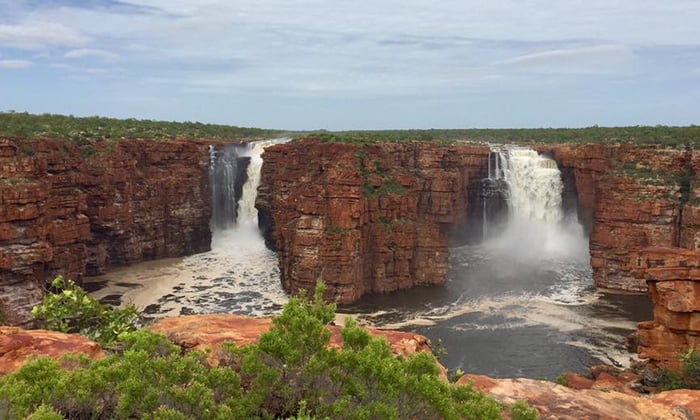
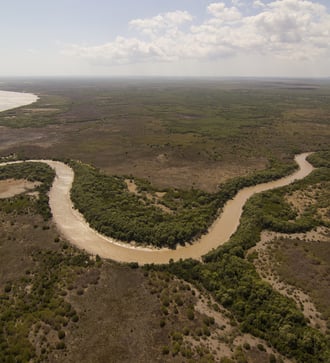
The Kimberley - Thunderous waterfalls tumbling over towering cliffs, the scale of The Kimberley is something else. Over millennia rivers and streams have created deep gorges and travelling through these narrow channels beneath huge rockfaces is incredible. The colours of the red and orange sandstone changing throughout the day lend an almost magical quality to the scenery.
The area is also home to the Bungle Bungles, a stunning range of beehive-shaped towers that stretch across the vast wilderness and can be reached on optional excursions by selected operators.
Conclusion - Kimberley wins!
Best for Culture
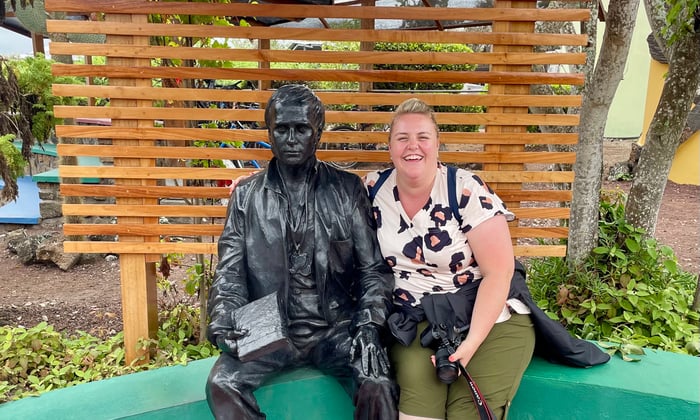
The Galapagos - Following in the footsteps of Darwin and understanding more of the feat of discovery that he embarked on was fascinating, not to mention the importance of the islands in current scientific research. Part of Ecuador, the islands have their own vibe compared to the mainland but with rules including all staff must be Ecuadorian on expedition ships and all food served must be sourced from Ecuador you can expect a distinct South American feel.

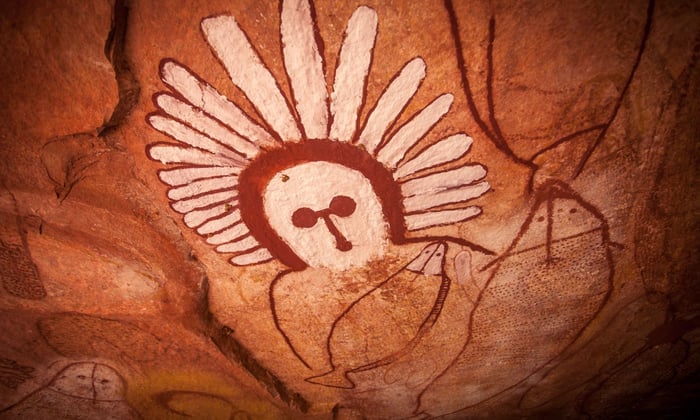
The Kimberley - The Aboriginal culture of the Kimberley dates back more than 50,000 years and there are examples of rock art dating back an incredible 45,000 years. Learning about the Dreamtime mythology of the Wunambal Gaambera people and their Wanjina and Wunggurr ancestors was truly fascinating.
Here I must make special mention of Seabourn who have made the Wunambal Gaambera Traditional Owners godparents of Seabourn Pursuit, their second expedition ship, which operates in the area, and their programme of bringing local guides onboard to provide a more in-depth understanding of the land and its importance.
Conclusion - Kimberley wins!
When is the best time to visit?
The Kimberley - The time to travel to the Kimberley is in the dry season between May and October, with milder temperatures between 20 and 30 degrees and minimal rainfall. I travelled in May just after the end of the rainy season meaning King George Falls was a thundering spectacle and a real highlight of the entire voyage.
The dry season brings abundant seafood in the coastal reefs and mangroves for the chance to see a variety of marine life from manta rays and saltwater crocodiles to sea eagles and turtles and enables desert grasses to grow to provide habitats and food for rock wallabies, dingos, monitor lizards and numerous birds.
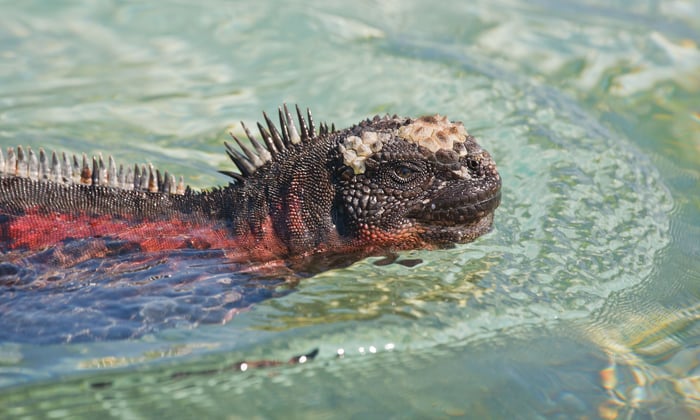
The Galapagos - With year-round warmth, there is no 'bad' time to visit, although certain wildlife viewing is seasonal. For a full guide check out our wildlife calendar. Snorkelling with sea lion pups and witnessing the laying of giant tortoise eggs can be experienced between November and December. January captures marine iguanas with their most colourful red and green skin, sees green sea turtles lay eggs on the beaches and enables sightings of Galapagos penguins in the Western Isles.
Once nesting takes place between February and April, visitors in May can expect to see hatchlings of sea turtles and land iguanas, as well as the mating of waved albatross and blue-footed boobies, which are some of the cutest rituals you'll ever see. Plankton-rich waters in June and July attract migrating humpback whales and dolphins, and the breeding season for flightless cormorants begins. However, whenever you visit you'll be dazzled by the year-round wildlife viewing.
Conclusion - Galapagos wins!
How accessible are these destinations?
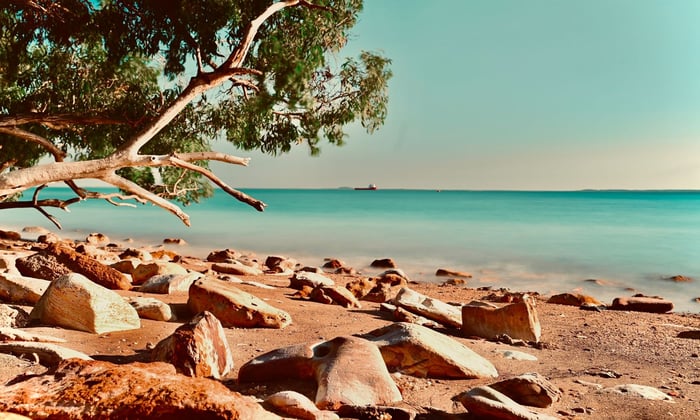
The Kimberley - Itineraries can start in Indonesia and travel south via Komodo Island to Darwin or Wyndham and finish in Broome, or they operate from mainland Australia between Darwin and Broome. Either way, it is a long-haul flight likely with a stopover in Singapore, Dubai, or Abu Dhabi.
Pre and post-cruise stays can be added in Broome, or you can incorporate your visit to The Kimberley as part of a bigger trip to Australia and visit key cities such as Perth, Melbourne, and/or Sydney.
The Galapagos - Itineraries usually operate roundtrip from Baltra, reached by flying into Quito or Guayaquil before connecting with a charter flight across to the archipelago. Flights between the UK and Ecuador are indirect and usually between 14-16 hours. A one night pre-cruise stay in Quito or Guayaquil is also required before the cruise.
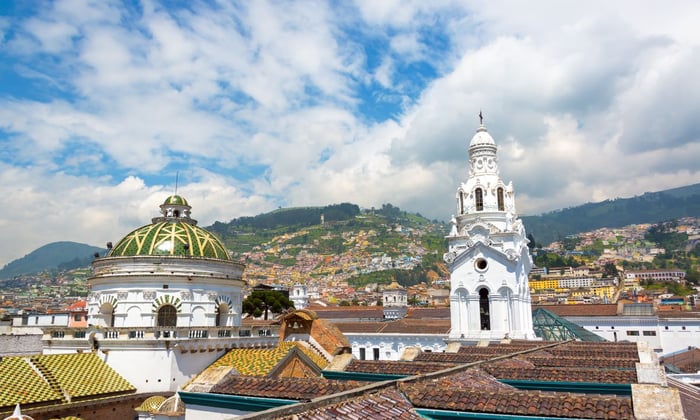
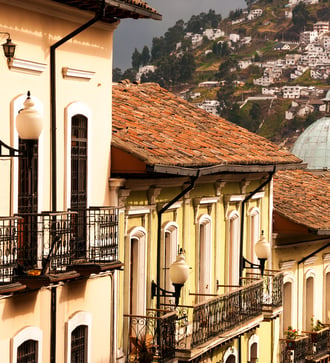
Quito is a pretty city and two nights here is well worth your time. You may also consider a longer trip with extensions to Machu Picchu being particularly popular.
Conclusion - Galapagos wins, just!
Overall
Weighing up the wildlife, scenery, and culture plus how far you're willing to travel and when you prefer being away is a pretty good approach to picking the destination that's right for you. Many will be won over but the incredible wildlife of the Galapagos but for me, despite being an animal lover I must admit that the scenery of the Kimberley blew me away and made it my preferred trip, but my advice to everyone is to do both and see which one you prefer!


Meet the Author

Find a cruise
Kimberley and Galapagos Expeditions
HX Expeditions
Galápagos Islands - Nine of the Best Isles
From Lima (Callao) to Quito
21 Jul - 5 Aug 2026 (15 Nights)
From £7,668 per guest
National Geographic - Lindblad Expeditions
Galápagos Escape: A 7-Day Voyage
From Quito to Guayaquil
21 Jul - 25 Jul 2026 (4 Nights)
From £8,602 per guest

HX Expeditions
Galápagos Islands – Iconic Wildlife & Sublime Scenery | Western Route
From Lima (Callao) to Quito
21 Jul - 5 Aug 2026 (15 Nights)
From £5,072 per guest
Ponant Explorations
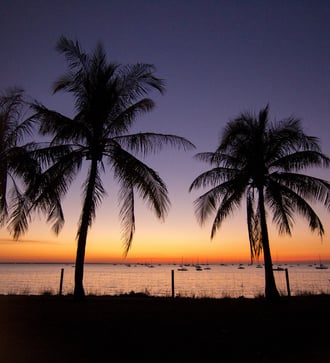
Australia's Iconic Kimberley
From Broome to Darwin
22 Jul - 1 Aug 2026 (10 Nights)
From £10,800 per guest
Silversea Expeditions
Broome to Darwin
From Broome to Darwin
24 Jul - 3 Aug 2026 (10 Nights)
From £8,370 per guest
National Geographic - Lindblad Expeditions
Galápagos by Catamaran, Machu Picchu and Peru's Land of the Inca
From Quito to Lima (Callao)
24 Jul - 1 Aug 2026 (8 Nights)
From £12,213 per guest
National Geographic - Lindblad Expeditions
Exploring Galápagos, Machu Picchu and Peru's Land of the Inca
From Quito to Lima (Callao)
24 Jul - 1 Aug 2026 (8 Nights)
From £11,360 per guest
National Geographic - Lindblad Expeditions
Exploring Galápagos, Machu Picchu and Peru's Land of the Inca
From Quito to Lima (Callao)
24 Jul - 1 Aug 2026 (8 Nights)
From £12,781 per guest
Related articles