Destination Reviews

It may seem to someone researching Antarctica that there are a multitude of different itineraries to choose from, but two key areas stand out for us: the Antarctic Peninsula and the lesser-visited, ultra-remote subantarctic islands. Even the most discerning traveller may have perhaps never considered visiting the latter - so here we outline the differences between the two…
Location
Antarctic Peninsula
Every 'classic' Antarctica expedition cruise itinerary explores the Antarctic Peninsula, usually sailing roundtrip from the port of Ushuaia or Puerto Williams, which means a night or two in Santiago or Buenos Aires pre- and post-cruise. The crossing to Antarctica takes two days during which guests will need to traverse the notoriously bumpy Drake Passage - though there is the option to fly across the Drake for those travellers who may be time-poor.
Subantarctic islands
Only a few expedition lines offer cruises to the subantarctic islands that lie amidst the roiling oceans that circle Antarctica; some of the most unusual depart from Hobart in Tasmania or Dunedin in New Zealand. These nature reserves are UNESCO-listed and protected at the highest level of conservation status. Cruises to these islands are rare - so if one itinerary piques your interest, you should seriously consider booking it!
Weather and when to go
Antarctic Peninsula
The short Antarctic cruise season runs from late October to March, during the southern hemisphere's summer months - and even within this narrow window there are considerable variations in what you'll see. The early season means colder temperatures and pristine snowy landscapes while December and January are the most popular months to visit Antarctica, when the weather is warmer and the days are longer. Towards the end of the season you'll have more chance of seeing whales, and the shrinking sea ice means you'll be able to travel deeper into the Antarctic.
Subantarctic islands
These islands have a polar climate with an average summer temperature of 5-15 degrees Celsius, and their rocky islets and sheer cliffs often shrouded in fog and mist, and similarly to the Peninsula, cruises here run from November-March when the weather is milder, daylight hours are longer and wildlife is most active. Early summer offers pristine landscapes and January and February are ideal for seeing young wildlife.
Landscapes
Antarctic Peninsula
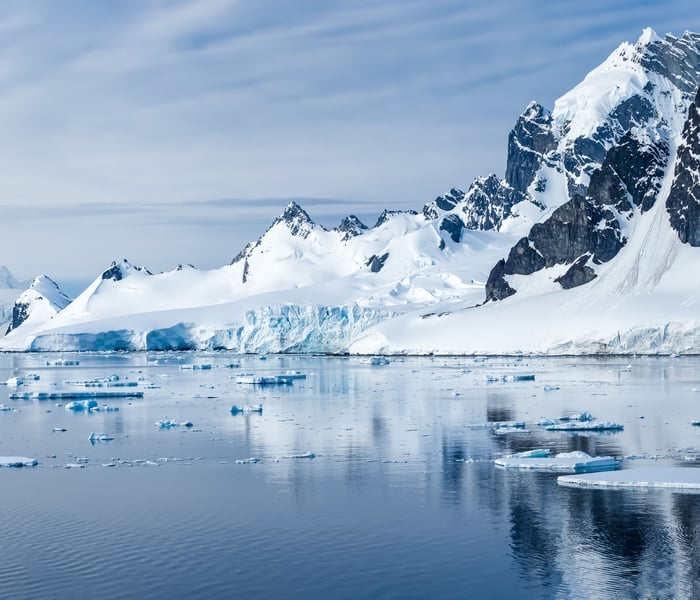
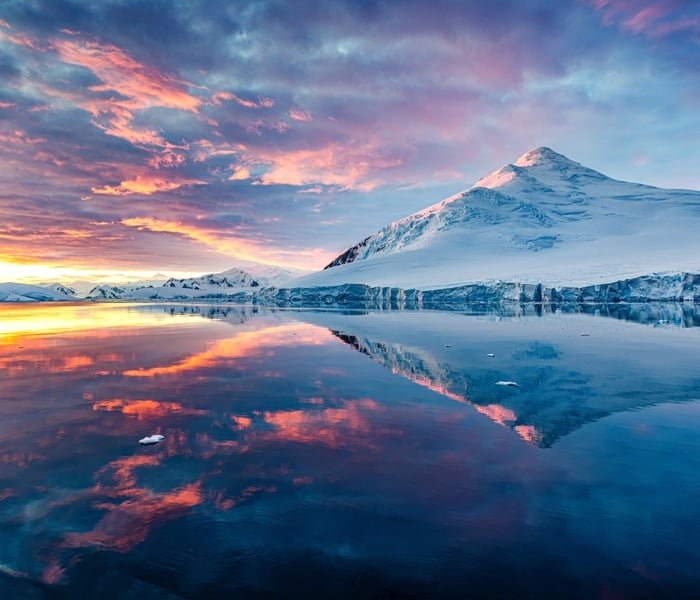
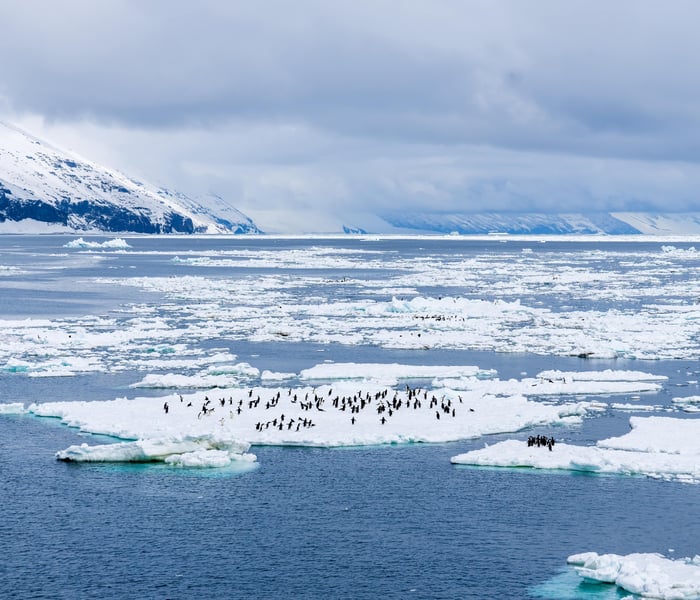
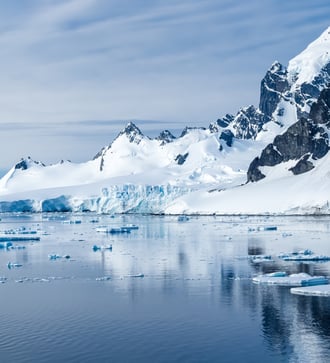
Picture emblematic scenes of iceberg-strewn waters and giant snow-covered mountains - the Antarctic Peninsula is the postcard-perfect vista you will have seen in brochures, and you'll begin to comprehend the vast scale of it all when you start to see the ice floes on your approach to the continent. The huge tabular icebergs are a staggering sight, with their sheer sides plunging far below the water. The variety and beauty of Antarctica's bergs will have you reaching for your camera every five minutes, whilst on land huge hanging glaciers cling to the mountains or carve their way to the water's edge.
Subantarctic islands
You won't find the same giant icebergs and vast ice-covered landscapes of the peninsula here - these islands are composed of volcanic and granite rocks, tundra and oceanic crust - instead expect diverse terrain including black-rock and sandy beaches, ancient volcanoes, glacial valleys, jutting peninsulas, sweeping peaks and lush greenery, all of which provide the perfect habitat for the enormous variety of wildlife you'll find here.
Penguins
Antarctic Peninsula
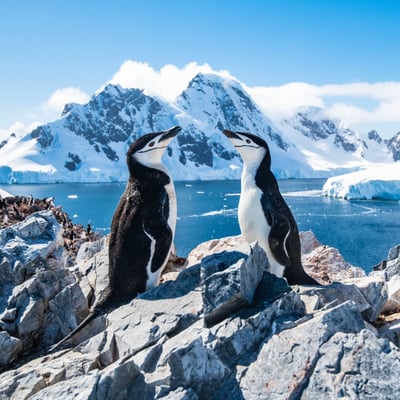
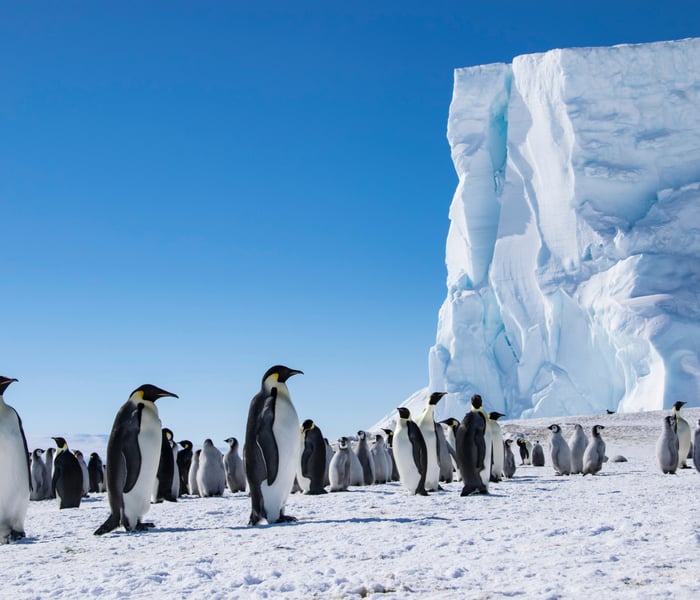
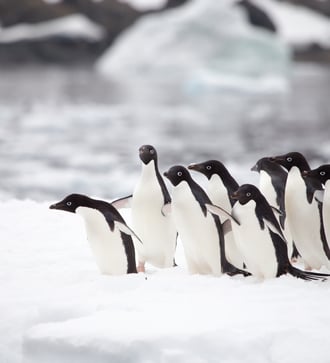
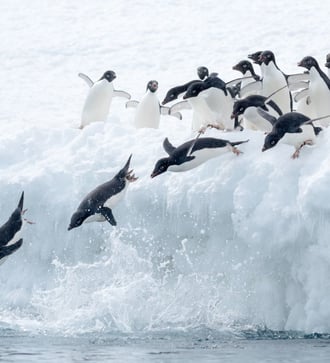
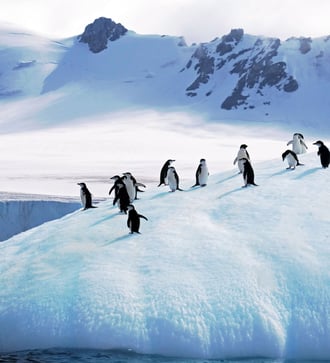
On your Antarctic Peninsula cruise you can expect to see plenty of penguins and on a handful of itineraries that aim for Snow Hill Island this may even include emperor penguins. You will see Adélie, chinstrap, and gentoo penguins, such as on Cuverville Island, a popular port of call - home to some 6,500 pairs of gentoo penguins, the largest colony on the Antarctic Peninsula.
Subantarctic islands
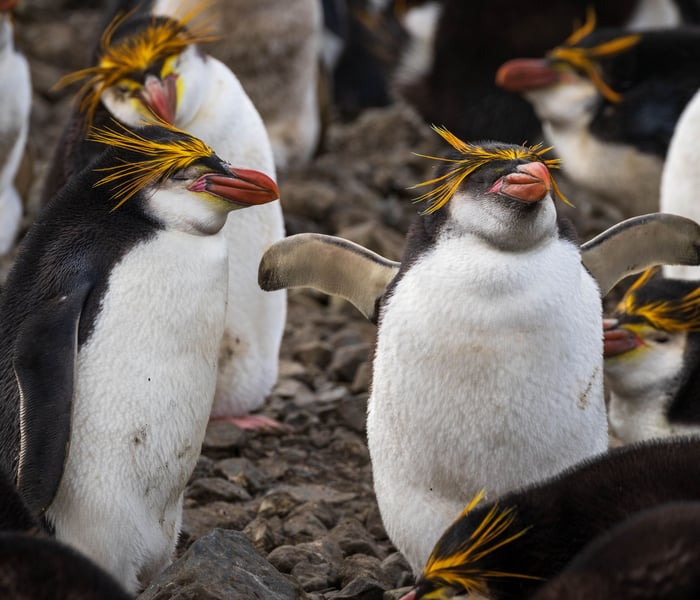
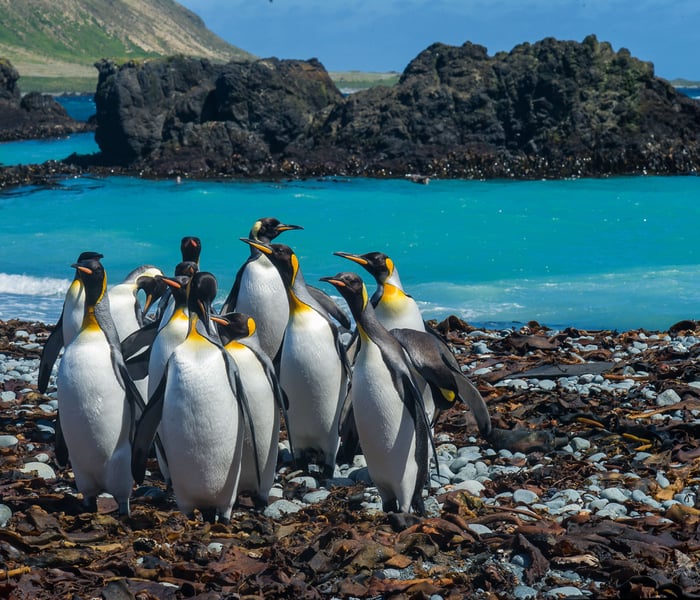
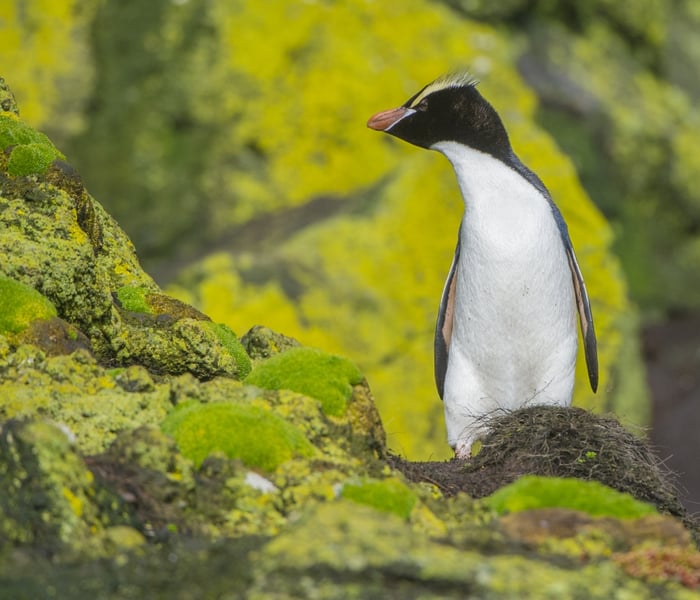
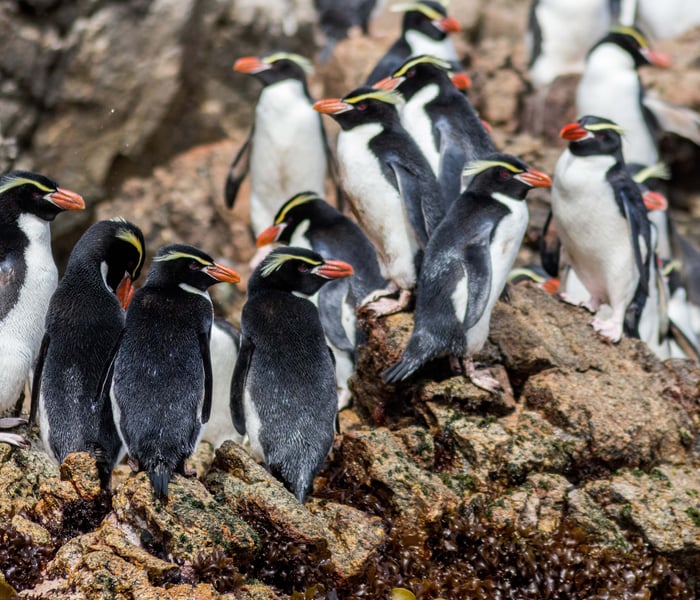
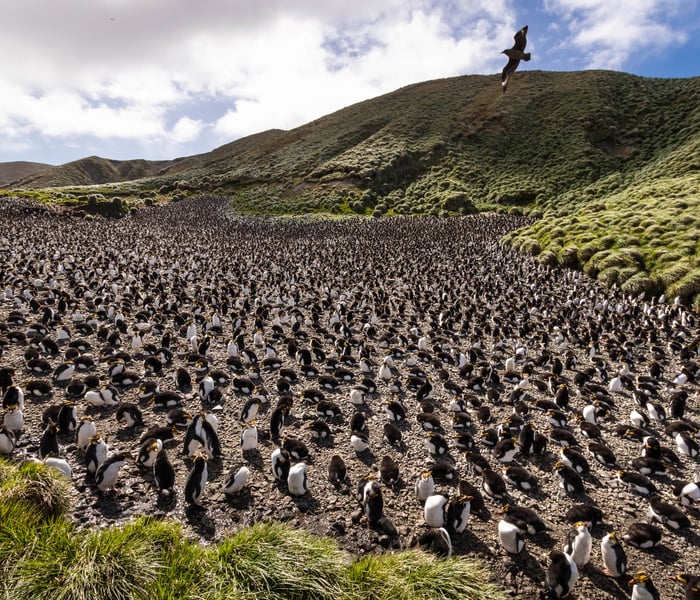
Many species found on these islands are endemic, such as the Snares-crested and Fiordland-crested penguins found only on their eponymous islands, and the erectcrested penguin that breeds only on the Bounty and Antipodes Islands. Perhaps the most spectacular scenes can be found on South Georgia and the lesser-visited Macquarie Island, with 100,000 pairs of king penguins - the third-largest colony in the world - as well as thousands of royal, southern rockhopper and gentoo penguins, while the windswept and seemingly inhospitable Campbell Island features the Eastern rockhopper, erect-crested, and rare yellow-eyed penguin.
Birdlife
Antarctic Peninsula
Across the peninsula you'll find a myriad of birdlife including skua, petrel, cormorant and sheathbill as well as wandering, black-browed and light-mantled albatross, and the rocky landscape of Cuverville Island provides the perfect home for nesting skuas, southern giant petrels and Antarctic shags.
Subantarctic islands
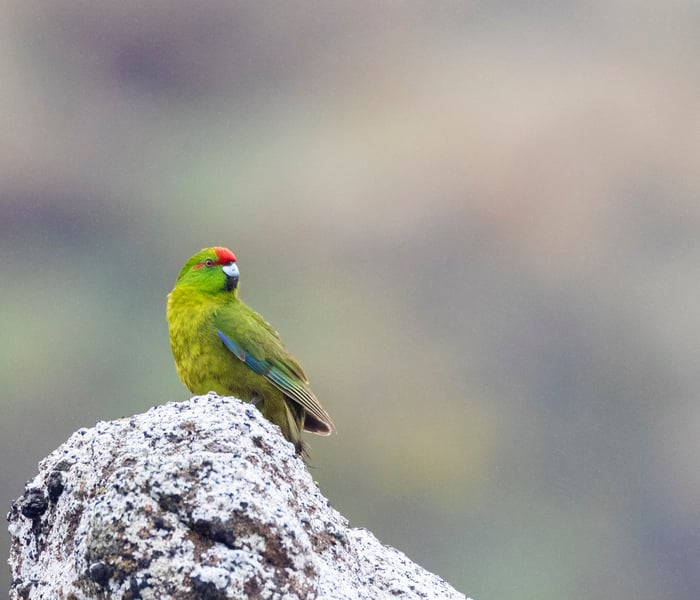
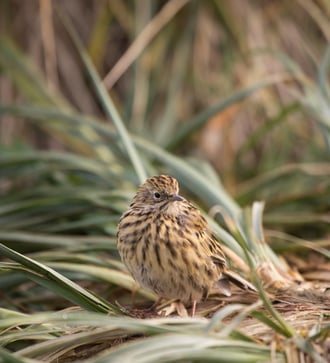
The Snares Islands in particular are renowned for their incredible birdlife and home to 99 recorded bird species - endemic species include the Snares snipe and Snares tomtit, and some three million sooty shearwaters come here to breed during the austral summer, as well as albatross and Antarctic terns. See rare bird species including the Antipodes parakeet, Reischek's parakeet, Antipodes snipe and the huge Antipodes wandering albatross in the Antipodes Islands, while Campbell Island is the home to six different species of albatross.
Other Wildlife
Antarctic Peninsula
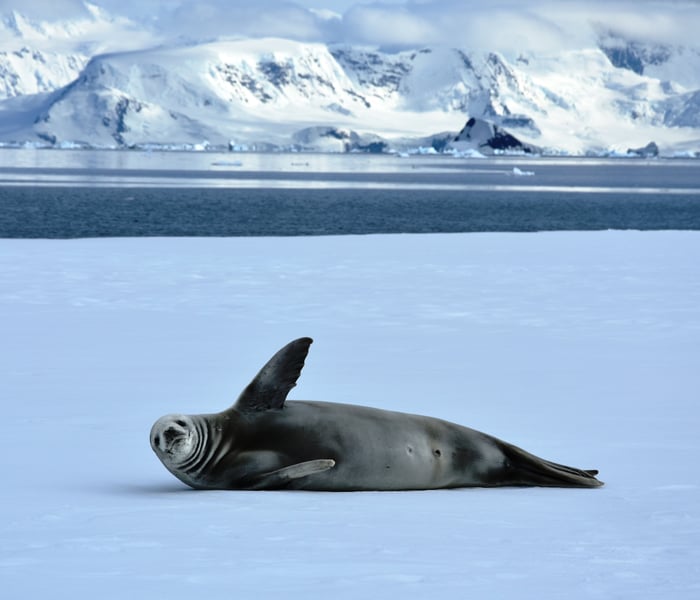
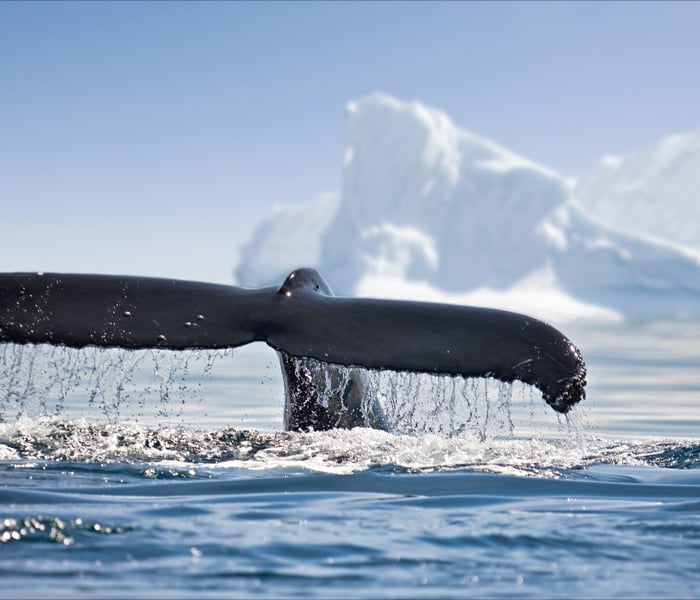
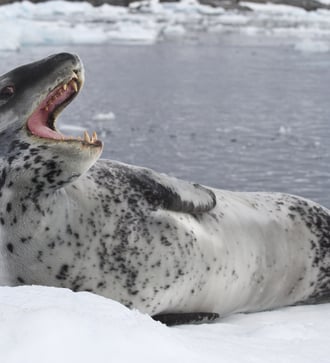
You are virtually guaranteed to spot humpback, sperm, minke and southern right whales in the waters of the peninsula, as well as pods of hungry orca - for your best chance go between February and March. Several species of seal also call the Antarctic Peninsula home such as leopard seals who hunt penguins in the shallows, and you can often see Weddell and crabeater seals slumped on the ice.
Subantarctic islands
The waters around the subantarctic islands teem with wildlife including sea lions, elephant seals and southern right whales. The Auckland Islands mark the main winter breeding ground for the New Zealand population of this species, whilst the subantarctic waters are also on the migratory path of species including minke, blue, humpback and fin whales. You'll also find New Zealand sea lions particularly on the Auckland and Campbell Islands, and Macquarie Island is home to New Zealand fur seals and southern elephant seals.

Meet the Author

Find a cruise
Cruises to the Antarctic Peninsula & Subantarctic Islands
Silversea Expeditions
Puerto Williams to King George Island
From Puerto Williams to King George Island
20 Oct - 29 Oct 2026 (9 Nights)
From £9,380 per guest
AE Expeditions
Falklands, South Georgia & Antarctic Peninsula
From Ushuaia to Ushuaia
24 Oct - 14 Nov 2026 (21 Nights)
From £22,692 per guest
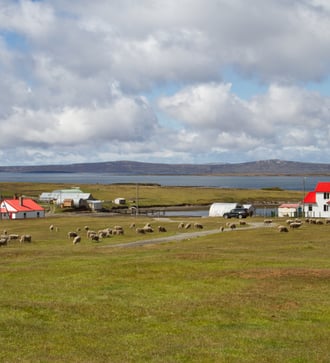
Quark Expeditions
Penguins of the Far South: Falklands, South Georgia and Antarctica
From Ushuaia to Ushuaia
25 Oct - 13 Nov 2026 (19 Nights)
From £19,247 per guest
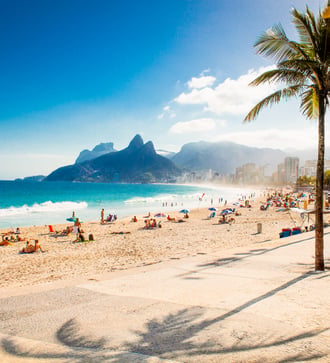
Seabourn Cruises
21-Day Wild South Atlantic & Antarctic Peninsula
From Rio de Janeiro to Buenos Aires
29 Oct - 19 Nov 2026 (21 Nights)
From £13,198 per guest
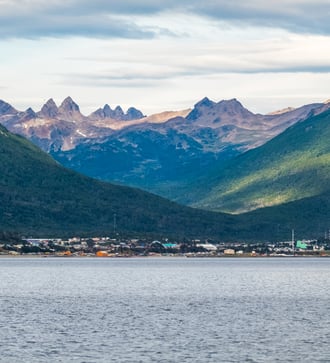
Silversea Expeditions
King George Island to Puerto Williams
From King George Island to Puerto Williams
29 Oct - 7 Nov 2026 (9 Nights)
From £11,830 per guest
HX Expeditions
Highlights of Antarctica
From Ushuaia to Ushuaia
29 Oct - 11 Nov 2026 (13 Nights)
Call us for a price
HX Expeditions
Iconic Antarctica: The Explorer's Route
From Ushuaia to Ushuaia
30 Oct - 16 Nov 2026 (17 Nights)
Call us for a price
Quark Expeditions
Antarctic Explorer: Discovering the 7th Continent
From Ushuaia to Ushuaia
5 Nov - 18 Nov 2026 (13 Nights)
Call us for a price
Silversea Expeditions
Antarctica & South Georgia Discovery
From Puerto Williams to Puerto Williams
7 Nov - 26 Nov 2026 (19 Nights)
From £17,600 per guest
HX Expeditions
Highlights of Antarctica
From Ushuaia to Ushuaia
8 Nov - 22 Nov 2026 (14 Nights)
Call us for a price
AE Expeditions
Across the Antarctic Circle
From Ushuaia to Ushuaia
11 Nov - 27 Nov 2026 (16 Nights)
From £14,331 per guest
Ponant Explorations
Journey to Austral Lands and Valdes Peninsula
From Buenos Aires to Ushuaia
12 Nov - 30 Nov 2026 (18 Nights)
From £16,160 per guest