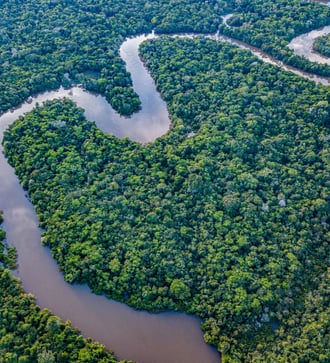
Stretching all the way from the Andes of Peru and Ecuador in the west, through Brazil to the mighty Atlantic Ocean, the Amazon lies at the heart of a vibrant rainforest packed with extraordinary wildlife. For the best experience, fly into Iquitos for direct access to the Upper Amazon region.
Amazon River Expedition Cruises

Find a cruise
Our top picks

Hapag-Lloyd Cruises
Expedition South And Central America With Panama Canal: Jungle Adventures, Caribbean Magic And Equatorial Discoveries
From Lima (Callao) to Belém
23 Mar - 11 Apr 2027 (19 Nights)
From £7,097 per guest
Hapag-Lloyd Cruises
Expedition Amazon: Lifeline and Legendary Route
From Belém to Iquitos
9 Apr - 1 May 2027 (22 Nights)
Call us for a price
Hapag-Lloyd Cruises
Expedition Amazon: Lifeline And Legendary Route
From Belém to Iquitos
11 Apr - 29 Apr 2027 (18 Nights)
From £16,503 per guest
Hapag-Lloyd Cruises
Expedition Amazon: Lifeline And Legendary Route
From Iquitos to Belém
29 Apr - 17 May 2027 (18 Nights)
From £19,496 per guest
Our Insight
Highlights of an Amazon River expedition cruise
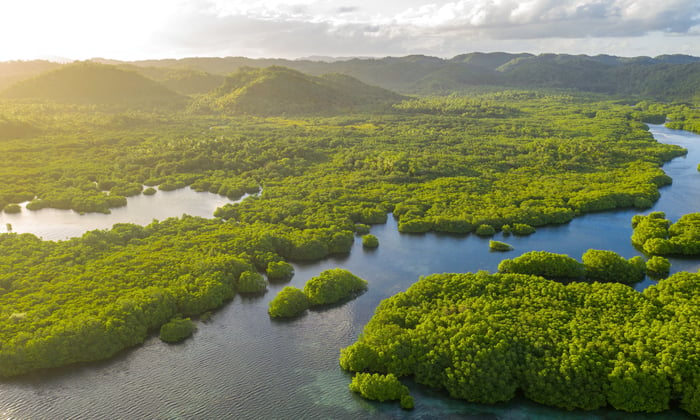
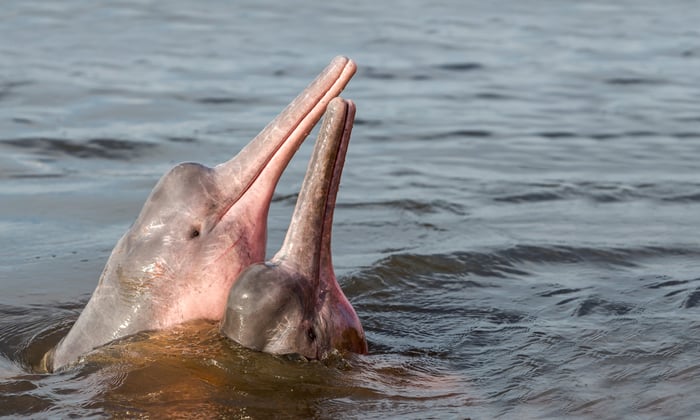
The Upper Amazon near Iquitos delivers the richest wildlife encounters, with water levels fluctuating by up to 30 feet between seasons and transforming the entire ecosystem. Small river vessels navigate narrow tributaries where the canopy closes overhead and bird calls echo across the water. Daily excursions on open skiffs bring you face to face with three-toed sloths moving through the trees, pink river dolphins surfacing in channels, giant otters hunting fish and caimans lurking in the shallows. Macaws fly overhead in pairs, their scarlet and blue plumage visible against the green canopy, while hoatzins, jabiru storks and toucans add to the constant activity.
Local communities live along the riverbanks in stilted houses that rise and fall with the water, growing crops in areas that flood completely during high water season. Fishermen bring in piranhas, catfish and the occasional giant arapaima, while children play football on sandbanks that disappear when the rains come. The forest itself feels alive at all hours, with howler monkeys announcing dawn, insects maintaining a constant hum through the day and nocturnal creatures emerging after dark when spotlights reveal eyes glowing along the banks.
Ocean-going expedition ships undertake an altogether different journey, sailing the entire length of the Amazon from the Atlantic to Iquitos over 18-22 nights. These voyages pass through Manaus, where the Rio Negro meets the Amazon in a visible line of black and brown water that refuses to mix for miles. The river here is wide and commercial, with cargo ships, fishing boats and ferries sharing the channel. As ships continue upriver past Manaus, the channel narrows, settlements become sparser and the forest presses closer. This is an extraordinary feat of navigation, with captains reading the river for shifting sandbanks and channels that change with every season.
The expedition difference in Amazon River cruising
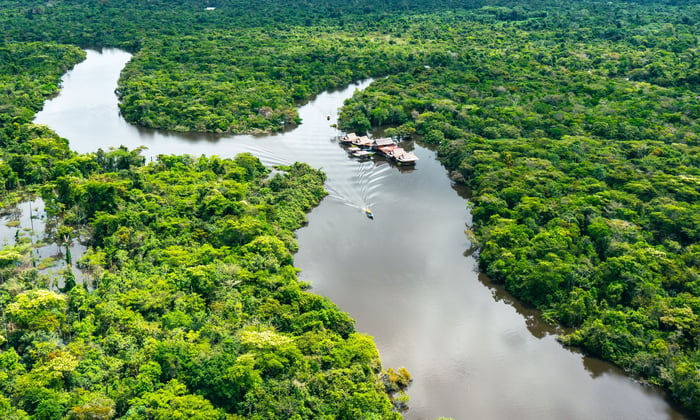
Small river vessels like Aqua Expeditions' Aria Amazon and Aqua Nera carry 32-40 guests maximum, with 1:1 crew-to-guest ratios ensuring highly personalised service. Days follow a rhythm of early morning excursions when wildlife is most active, midday returns to the ship for meals and rest during the hottest hours, then afternoon and evening outings. Skiffs carry no more than 10 guests with one guide, allowing quiet approaches to wildlife and access to waterways too narrow for the main vessel. These ships operate between Iquitos and Nauta on itineraries designed around water levels, with high water opening flooded forests and low water exposing beaches where locals play football and grow crops.
Hapag-Lloyd Cruises operates the only ocean-going expedition ships currently making the full Atlantic-to-Iquitos journey, with Hanseatic Nature, Hanseatic Inspiration and Hanseatic Spirit small enough to navigate the upper reaches yet capable of crossing open ocean. These voyages have an expedition team providing lectures on rainforest ecology, indigenous cultures and the river's hydrology. Zodiac excursions happen at select stops, though the experience is the journey itself and the improbable fact of an ocean ship reaching a city thousands of miles inland from the Atlantic.
Both types of cruise include naturalist guides who know the river intimately, spotting wildlife invisible to untrained eyes and explaining the interconnected relationships between species, seasons and water levels. Guides also facilitate visits to local communities, providing cultural context and ensuring interactions benefit residents rather than disrupting daily life. Evening presentations cover everything from poison dart frog toxins to the lifecycle of giant water lilies to the challenges of sustainable development in the Amazon basin.
Amazon River expedition itineraries
- Aqua Expeditions operates 3, 4 and 7 night itineraries on the Peruvian Upper Amazon between Iquitos and Nauta, with daily skiff excursions, wildlife spotting and village visits. These voyages focus entirely on the richest wildlife zone, flying guests into Iquitos to maximise time on the water. Itineraries vary by season, with high water (December-May) allowing access to flooded forests where you travel beneath the canopy by skiff, while low water (June-November) exposes riverbanks and beaches where locals grow crops and giant river turtles nest.
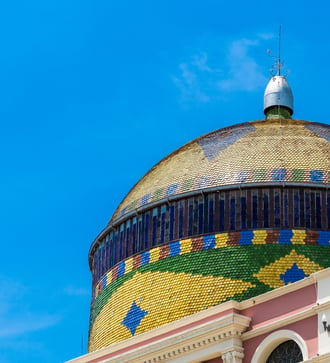
- Hapag-Lloyd's ocean voyages typically run 18-22 nights, departing from Belém or Icoaraci near the Atlantic coast and sailing upriver to Iquitos before returning. These itineraries include stops at Manaus to see the meeting of the waters and visit the famous Teatro Amazonas opera house, plus selected villages and nature reserves along the route. The journey itself is the main event, with days spent watching the forest pass and learning how river pilots navigate channels that shift with every flood season.
Some classic cruise lines operate on the Amazon as far as Manaus, where the river remains very wide and commercial in character. These sailings offer a taste of the Amazon but do not reach the concentrated wildlife zones of the Upper Amazon near Iquitos. For the fullest Amazon experience, we recommend either the intimate river vessel option focused on Iquitos or the complete ocean ship journey from Atlantic to Iquitos.
Cruise lines sailing the Amazon River
Aqua Expeditions pioneered luxury river cruising on the Peruvian Upper Amazon, operating since 2007 with ships designed specifically for these waters. Aria Amazon carries 32 guests while Aqua Nera accommodates 40, both featuring floor-to-ceiling windows, Peruvian-inspired design and cuisine showcasing Amazonian ingredients. The 1:1 crew-to-guest ratio and small skiff groups deliver highly personalised experiences impossible on larger vessels.
Hapag-Lloyd Cruises brings three decades of expedition experience to their Amazon voyages, with Hanseatic Nature, Hanseatic Inspiration and Hanseatic Spirit offering German-English bilingual operations and consistently high Berlitz ratings. These ocean ships combine the comfort of expedition vessel design with the technical capability to navigate thousands of miles inland, representing a significant logistical and navigational achievement.
For current availability and recommendations on which Amazon experience suits your travel style, speak to us or explore our Amazon River collection.
The best time for an Amazon River cruise
The Amazon operates year-round, with distinct seasons offering different experiences rather than better or worse conditions.
- High water season runs December through May, when rivers rise dramatically and flood vast areas of forest. This opens access to flooded forests where you travel by skiff beneath the canopy, with wildlife moving through the trees overhead and fish swimming among tree roots below. Water levels peak in April and May, creating the most extensive flooded forest access.
- Low water season runs June through November, when river levels drop and expose beaches, sandbars and areas where locals grow fast-maturing crops like cucumber and watermelon. Wildlife concentrates near permanent water sources, making animals easier to spot, while nesting river turtles come ashore on exposed beaches. Water levels reach their lowest in September and October, sometimes limiting navigation in the shallowest tributaries but offering the clearest wildlife viewing along main channels.
Temperature and rainfall remain relatively consistent year-round, with hot humid days and warm nights. Rain falls throughout the year, though high water season sees more frequent downpours while low water brings occasional dry spells. Wildlife activity peaks at dawn and dusk regardless of season, with guides scheduling excursions accordingly.
Travel tips and FAQs for Amazon River expedition cruises
What is the difference between river vessels and ocean ships on the Amazon?
Small river vessels like those operated by Aqua Expeditions carry 32-40 guests and operate solely on the Peruvian Upper Amazon near Iquitos, focusing on daily wildlife excursions by skiff. Ocean ships like Hapag-Lloyd's Hanseatic vessels carry more guests and sail the entire river from the Atlantic to Iquitos over 18-22 nights, with the journey itself as the main experience. River vessels offer more wildlife encounters, while ocean ships deliver a broader geographical and cultural journey.
How much wildlife will I see on an Amazon cruise?
Sightings vary by season, water levels and luck, but most Amazon cruises near Iquitos deliver daily encounters with monkeys, sloths, pink river dolphins, caimans and numerous bird species including macaws, toucans and herons. Guides excel at spotting wildlife invisible to untrained eyes. Jaguars and anacondas are possible but rare, while smaller creatures like poison dart frogs and countless insect species are abundant. Patience and early morning excursions significantly improve sighting opportunities.
What are the conditions like on small skiff excursions?
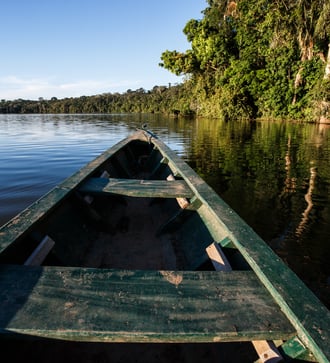
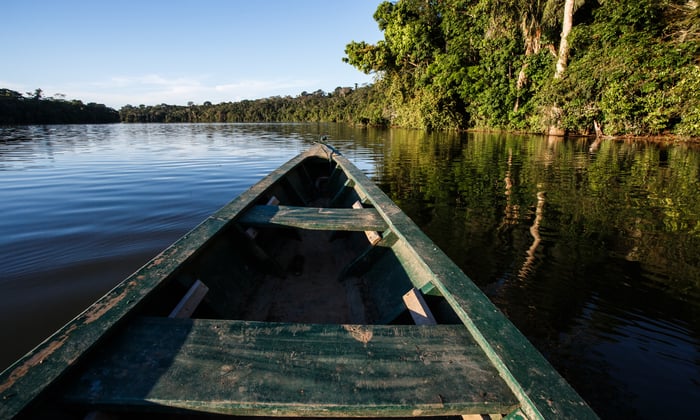
Skiffs are open boats carrying 6-10 guests with one guide, offering unobstructed views and quiet approaches to wildlife. You sit on benches or cushions at water level, protected from sun by canopies but exposed to occasional rain. Excursions typically last 1-3 hours, with early morning departures at 6am and evening trips returning after dark with spotlights. Insect repellent, sun protection and rain gear are essential, though the ships provide all necessary equipment.
Is the Amazon River safe for cruising?
Both river vessels and ocean ships are purpose-built for these waters, with experienced captains and pilots who know the river's hazards. The main risks are heat exhaustion and insect bites, both easily managed with proper precautions. Ships provide filtered water and air-conditioned cabins with medical facilities onboard to handle minor issues, while serious cases can be evacuated by air from Iquitos or other cities along the route.
Do I need vaccinations for an Amazon River cruise?
Yellow fever vaccination is strongly recommended and may be required for entry to Peru or Brazil. Consult your travel doctor about malaria prophylaxis, as recommendations vary by specific itinerary. Routine vaccinations should be current, and many travellers choose additional protection for hepatitis A and typhoid. Requirements change periodically, so check with a travel health clinic at least six weeks before departure.
How should I prepare for the heat and humidity?
Amazon temperatures hover around 30°C (86°F) year-round with high humidity. Pack lightweight, quick-dry clothing in neutral colours, with long sleeves and trousers for insect protection during forest walks. Ships are air-conditioned, providing cool respite between excursions. Hydration is critical, with ships providing unlimited filtered water. Most guests adapt within a day or two, though the hottest midday hours are best spent resting onboard.
Can I swim in the Amazon River?
Most cruises include safe swimming opportunities in tributaries or lagoons free from piranhas, caimans and other hazards. Guides assess conditions at each location before allowing guests to enter the water. Swimming is never permitted from the main river due to currents, river traffic and wildlife. Some ships feature plunge pools or Jacuzzis for cooling off without entering the river.
What level of fitness is required for Amazon cruises?
River vessel cruises require basic mobility for climbing in and out of skiffs and walking on uneven riverbanks or forest trails. Most excursions are short and guided at a gentle pace, with options to return to the ship if conditions prove challenging. Ocean ship cruises are less physically demanding, with more time spent aboard and optional excursions at ports. Neither type requires high fitness, though humidity can be tiring for those unaccustomed to tropical climates.
collections
You may also like

Galapagos
Visiting this isolated archipelago is like stepping into another world: the wildlife, both fearless and curious, either ignores you or finds you intriguing.

Costa Rica, Panama Canal & Caribbean
Lush jungle, pristine silvery beaches, turquoise waters – exploring away from the crowds in Costa Rica and the Caribbean is like waking each morning in paradise.

Chobe river
The Chobe River flows through four different countries on its journey across southern Africa, and the surrounding countryside is home to some of the continent’s most iconic wildlife.