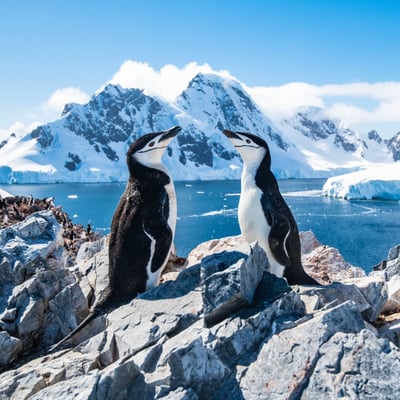
New Zealand expedition cruises are a rare find. Very few cruise lines operate dedicated itineraries here, which makes the sailings that do exist worth knowing about. Fiordland's deep sounds, Māori cultural sites on the North Island, the wildlife-rich Subantarctic Islands, and the gateway sailings to East Antarctica via the Ross Sea. Small ships unlock all of it.
New Zealand Expedition Cruises

Find a cruise
Our top picks
AE Expeditions
Ross Sea Odyssey
From Hobart to Dunedin
14 Dec 2026 - 8 Jan 2027 (25 Nights)
From £23,950 per guest
Ponant Explorations
Ocean Voyage: Cairns - Dunedin
From Cairns to Dunedin
19 Dec - 28 Dec 2026 (9 Nights)
From £2,430 per guest
Ponant Explorations
Expedition to New Zealand’s Subantarctic Islands
From Dunedin to Dunedin
28 Dec 2026 - 11 Jan 2027 (14 Nights)
From £14,490 per guest
AE Expeditions
Epic Antarctica: Crossing the 7th Continent
From Dunedin to Ushuaia
7 Jan - 9 Feb 2027 (33 Nights)
From £32,774 per guest
Our Insight
Highlights of New Zealand expedition cruises
This is a country where expedition cruising delivers something completely different from a land-based trip. Roads cannot reach Fiordland's deeper sounds. The Subantarctic Islands south of Stewart Island are closed to all but permitted vessels. The Ross Sea sits a long way south of any tourist infrastructure. A New Zealand expedition cruise is often the only way in.
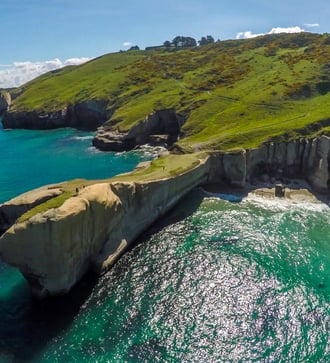
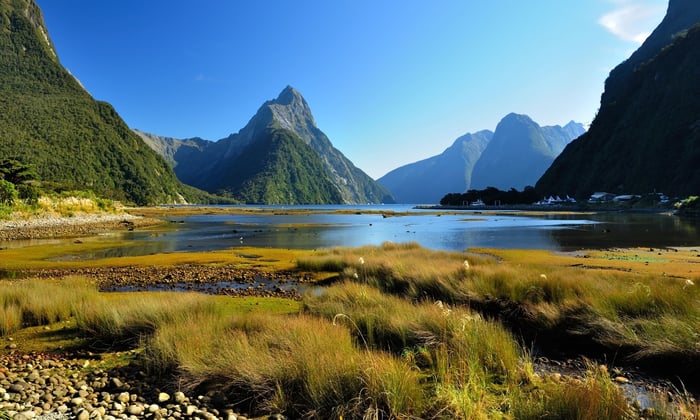
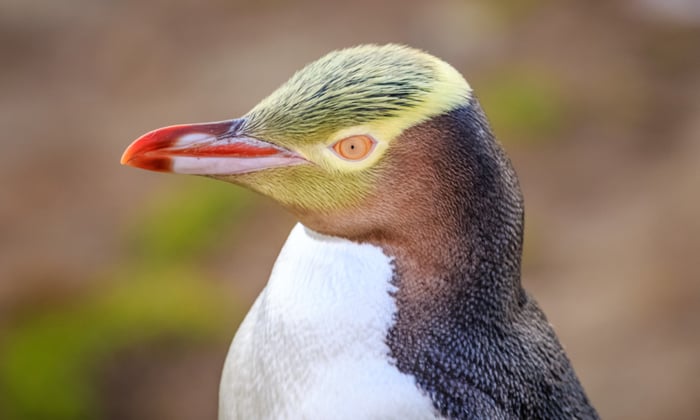
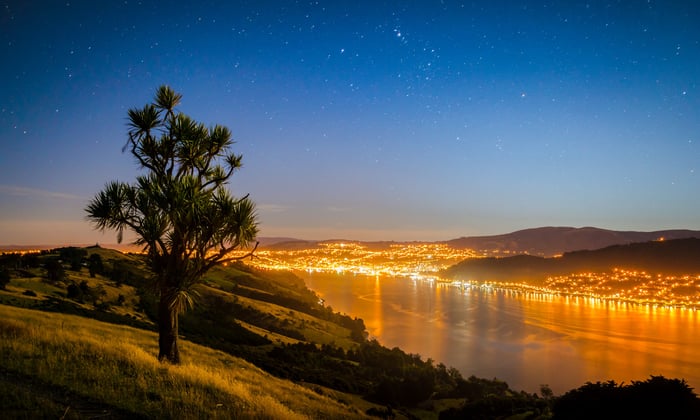
South Island New Zealand cruises focus on Fiordland, the southwest corner of the country where the Tasman Sea meets cliffs that rise straight from deep water. Milford Sound is the famous one, but Doubtful Sound, Dusky Sound and the lesser-known fjords reward small ships that can take time to explore them properly. South Island New Zealand cruises also give you access to Akaroa, Lyttelton (for Christchurch) and Dunedin, with the rugged Otago coast and its yellow-eyed penguins, albatross colonies and fur seal haul-outs.
North Island New Zealand cruises bring a different mood. The Bay of Islands in the far north is an archipelago of 144 islands with strong Māori cultural significance, white-sand beaches and excellent diving. Auckland sits midway, with Rotorua's geothermal pools and Māori cultural centres inland. Tauranga gives you access to the volcanic plateau and the active White Island region offshore. North Island New Zealand cruises tend to run alongside South Island itineraries rather than as standalone voyages.
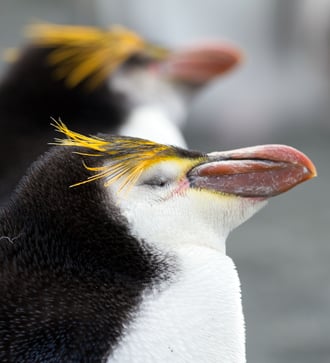
The New Zealand Subantarctic Islands cruises programme is one of the most specialist offerings in the region. The Auckland Islands, Campbell Island, the Snares and the Antipodes sit in the Southern Ocean between New Zealand and Antarctica, with extraordinary seabird and pinniped populations. Strict landing permits, very few operators, and weather windows that can collapse without warning make New Zealand Subantarctic Islands cruises one of the harder-to-book parts of the expedition calendar.
The expedition difference in New Zealand
Fiordland expedition cruises are where small ships earn their keep. The narrower sounds, the side arms, the waterfalls and the cliff bases that bigger ships cannot reach. Small ship cruises New Zealand operators run typically carry 100 to 250 guests, with Zodiacs and kayaks for closer access to the cliff faces and shoreline. A well-run Fiordland expedition cruise spends days rather than hours in the deeper sounds.
The Subantarctic Islands take this further. Landings are by Zodiac only, on beaches that have no infrastructure of any kind. Bird life and marine mammals are the focus, with naturalists and seabird specialists on board to make sense of what you are seeing. Ships heading further south to the Ross Sea need ice-strengthened hulls and full polar capability, which is why Ross Sea expedition cruises are run by a much smaller subset of operators.
The cultural side matters too. Māori-led shore programmes on the North Island, particularly in Rotorua and the Bay of Islands, are run by iwi (tribal) groups with deep connection to the land. The better small ship cruises New Zealand offers build proper time into these visits rather than treating them as photo stops.
New Zealand expedition cruise itineraries
New Zealand expedition cruise itineraries fall into three broad categories.
- New Zealand-focused voyages run 9 to 14 nights, typically circumnavigating both islands or focusing on Fiordland and the South Island. Cairns to Dunedin or Auckland-based loops are common routes.
- Subantarctic Islands sailings run 12 to 14 nights, usually round-trip from Dunedin, with multiple landing days at the Aucklands, Campbell Island and others depending on weather.
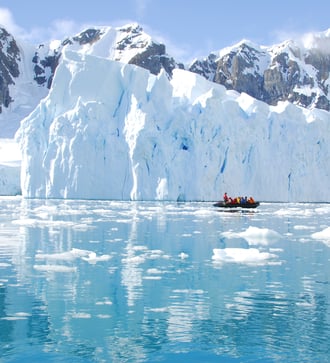
- Ross Sea expedition cruises are the most ambitious of the bunch. These are 25 to 33 night voyages crossing the Southern Ocean from New Zealand (occasionally from Australia) to East Antarctica and the Ross Sea region. You visit Scott and Shackleton's historic huts, the McMurdo Sound area, and have the chance to see emperor penguins travelling to and from their rookeries.
See our East Antarctica & Ross Sea page for the full picture on this expedition.
Cruise lines sailing New Zealand
Very few cruise lines run dedicated luxury New Zealand expedition cruises, which makes the ones that do something worth highlighting.
- Ponant has the most consistent New Zealand programme of any of our partners. Their itineraries include Fiordland expedition cruises, dedicated New Zealand Subantarctic Islands cruises, and Ross Sea expedition cruises that follow the routes of Scott and Shackleton. The fleet is small, well equipped, and the onboard experience is genuinely luxury-led.
- Hapag-Lloyd Cruises runs a smaller but interesting New Zealand programme, including occasional semi-circumnavigations of Antarctica that begin or end in Lyttelton or Hobart. Worth knowing about for travellers who want a longer, more ambitious voyage.
A handful of other expedition lines run occasional luxury New Zealand expedition cruises, often as repositioning voyages between Asia and Antarctica, or as part of broader Pacific itineraries. These are worth catching when they appear because they tend not to repeat.
The best time to cruise New Zealand
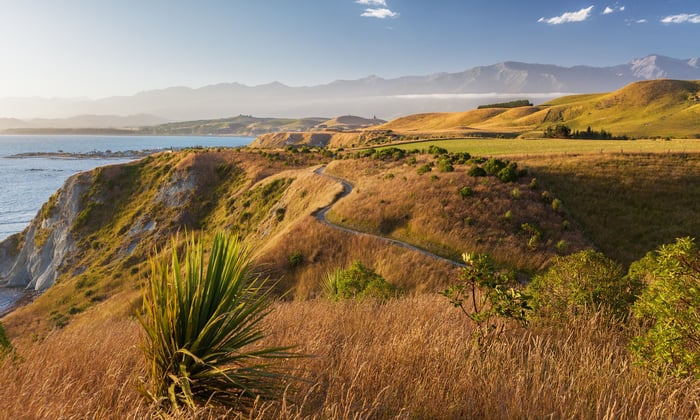
The New Zealand cruise season runs through the southern summer, November to March. Within that window, the right month depends on where you want to focus.
- November and early December suit South Island New Zealand cruises, with spring wildflowers in the alpine valleys and waterfalls at full strength from snowmelt.
- December and January are peak season, with the warmest temperatures and the best weather for North Island New Zealand cruises and Bay of Islands visits. December is also when Subantarctic Islands sailings start, with seabird breeding colonies at their most active.
- January and February are the Ross Sea window. The sea ice has retreated enough for ice-strengthened ships to reach McMurdo Sound and the historic huts. Outside this brief window, the Ross Sea is inaccessible.
- March brings shoulder-season conditions, fewer ships and the start of autumn colour in the South Island.
Travel tips and FAQs for New Zealand expedition cruising
Are New Zealand expedition cruises suitable for first-time expedition travellers?
Yes, if you are sticking to mainland New Zealand and Fiordland. The infrastructure is good, the weather is manageable, and shore programmes can be tailored to ability. New Zealand Subantarctic Islands cruises and Ross Sea expedition cruises are more demanding and suit travellers with some expedition experience.
How active are shore excursions?
A wide range. Mainland New Zealand offers everything from gentle harbour walks and Māori cultural visits to multi-hour hikes and kayaking. Subantarctic Islands days involve Zodiac landings on uneven ground with potentially long walks across tussock. Most lines grade their excursions so you can choose by ability.
How long does it take to get to New Zealand from the UK?
Around 24 hours of flight time, usually with one or two stops. Most guests build land time before or after the cruise to recover from the journey and see more of the country. We can help arrange this.
Can I combine New Zealand with Australia in one voyage?
Yes. Several Ponant and other expedition itineraries run between Cairns, Sydney or Hobart and Dunedin or Auckland, giving you both countries in a single trip. This is one of the most efficient ways to handle the distance.
What wildlife can I expect to see on small ship cruises New Zealand operators run?
Fur seals, sea lions and yellow-eyed penguins on the South Island. Hector's dolphins around Akaroa, sperm whales off Kaikōura, and royal albatross at Taiaroa Head. The Subantarctic Islands deliver some of the most concentrated seabird life on earth, including six albatross species and four penguin species. Ross Sea voyages even include emperor penguins.
Are Ross Sea expedition cruises worth the extra time and cost?
For travellers who already know Antarctica or who want one of the most ambitious expedition voyages currently available, yes. The Ross Sea is the part of Antarctica that Scott and Shackleton explored, and very few people reach it. It is a serious undertaking, with long sea crossings and limited landing opportunities, but the historic significance and the wildlife are extraordinary.
What is the onboard atmosphere like?
Relaxed and conversation-led. No formal nights on most expedition ships. Evenings centre on briefings for the next day, lectures from the expedition team and naturalists, and quiet drinks with fellow guests.
collections
You may also like

Chilean Fjords & Patagonia
Patagonia, the southernmost tip of South America, is a land of contrasts: fire and ice, heat and dust, mountains and grasslands, glacial fjords and temperate rainforest.

Norwegian Fjords & North Cape
Norway is a spectacular destination on our very doorstep: breathtaking scenery, captivating towns and villages, and the most welcoming people you could imagine.

Australasia & Pacific
The Antipodes, the ‘opposite side of the world’, has long carried an irresistible allure, from the vastness of Australia and the majestic beauty of New Zealand to the unique island cultures of the Pacific.