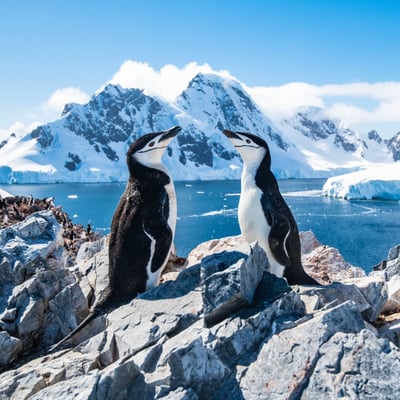
The Chilean Fjords and Patagonia occupy the southern tip of South America, where the Andes fall into a maze of channels, glaciers and remote islands. This is expedition cruising territory, with ships spending longer in the region than classic cruises, offering more time off the ship and reaching bays and waterways inaccessible to larger vessels. You land at Cape Horn where the Atlantic and Pacific meet, hike through sub-polar forests, watch glaciers calve into silent fjords and explore the Strait of Magellan where Magellanic penguins nest by the thousands.
Chilean Fjords & Patagonia Expedition Cruises

Find a cruise
Our top picks
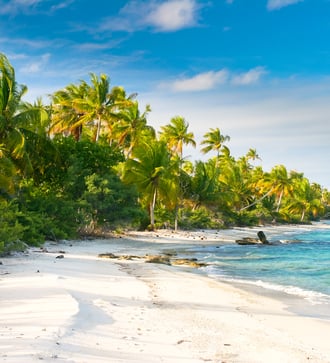
Seabourn Cruises
64-Day Kimberley Expedition & Islands Of The Pacific
From Broome to Santiago (San Antonio)
2 Sep - 5 Nov 2026 (64 Nights)
From £46,664 per guest
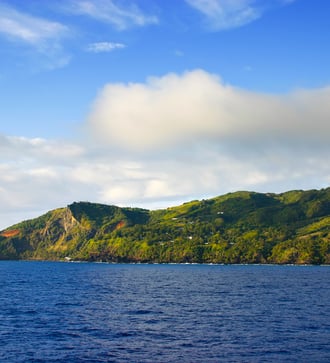
Seabourn Cruises
54-Day Indonesia, Papua New Guinea & Islands Of The Pacific
From Darwin to Santiago (San Antonio)
12 Sep - 5 Nov 2026 (54 Nights)
From £36,124 per guest
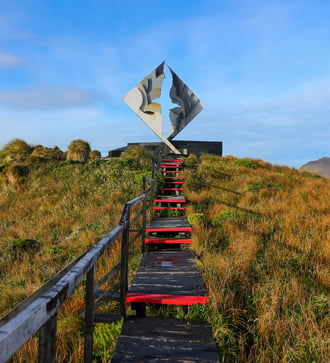
Australis
Fjords of Tierra del Fuego
From Punta Arenas to Ushuaia
21 Sep - 25 Sep 2026 (4 Nights)
Call us for a price
Australis
Patagonian Explorer
From Ushuaia to Punta Arenas
25 Sep - 29 Sep 2026 (4 Nights)
Call us for a price
Our Insight
Highlights of a Chilean Fjords & Patagonia expedition cruise
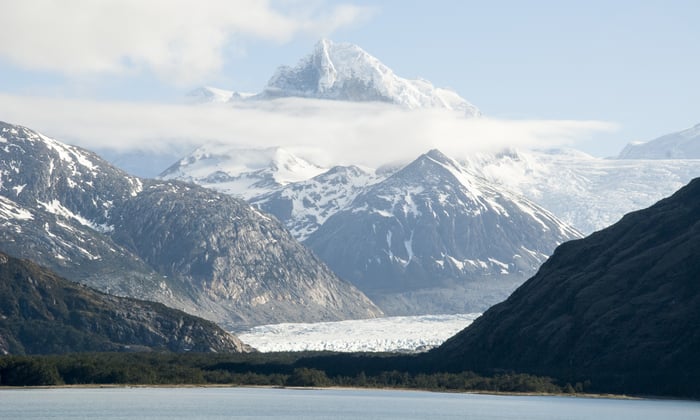
Patagonia is divided by the Andes. The Argentine east is rolling plains, grasslands and desert. The Chilean west is water: a web of intricate fjords, straits and inlets cutting through mountain ranges that rise straight from the sea. Glaciers push through valleys, their faces cracking and collapsing into channels where seals haul out on ice floes and condors circle above granite peaks. The landscape feels primeval, with sub-polar forests clinging to steep slopes, waterfalls dropping hundreds of meters and weather that shifts from sun to squall within minutes.
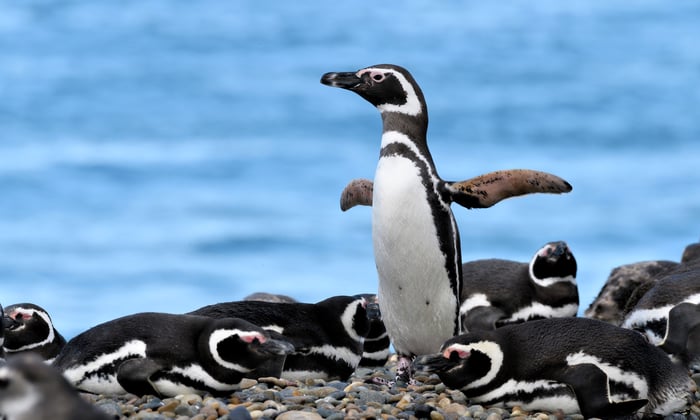
Cape Horn marks the continent's southern edge, a dramatic headland battered by the Furious Fifties, where the Atlantic and Pacific oceans collide. This is where the great explorers tested their limits, and landing here (weather permitting) feels like reaching the end of the earth. A lonely lighthouse watches over waters that remain notoriously treacherous, with winds that can halt all movement for days. The Strait of Magellan offers more sheltered passage, its channels lined with historic sites and massive penguin colonies. Magdalena Island hosts thousands of Magellanic penguins nesting among tussock grass, their braying calls carrying across the water.
Wulaia Bay holds deep significance as the site where Charles Darwin spent time during the Beagle's voyage, observing the indigenous Yaghan people whose culture shaped this region for thousands of years. Today you hike through dense forests where ferns grow waist-high and orchids cling to ancient trees. Elephant seals lounge on beaches, leopard seals patrol offshore and southern sea lions bark from rocky outcrops. Birdlife is exceptional: Andean condors soaring over peaks, black-chested buzzard-eagles hunting the grasslands, Magellanic horned owls calling at dusk.
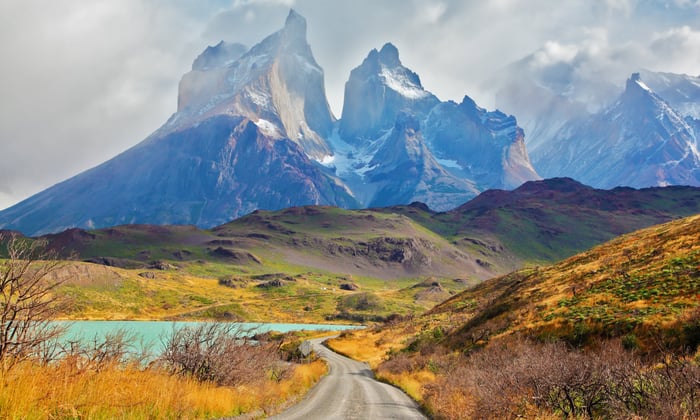
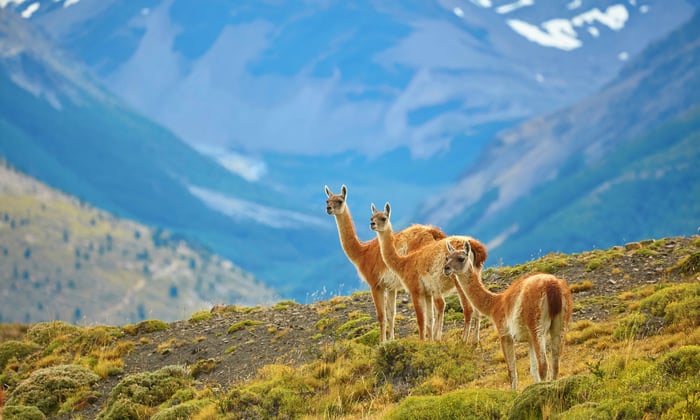
Torres del Paine National Park represents the region's terrestrial highlight, with granite peaks rising above turquoise lakes and grassy steppes where guanacos graze in herds. Many itineraries include overland excursions from Puerto Natales, gateway to the park, allowing you to combine ship-based exploration with hiking through one of South America's most spectacular landscapes. Pumas hunt here, though sightings are rare and require patience.
The expedition difference in Chilean Fjords & Patagonia
Expedition cruises in this region operate differently from classic cruises. They spend longer in Patagonia and the Chilean Fjords, offering more time off the ship and reaching remote bays and waterways that larger vessels cannot access. Ships are built for these conditions, with ice-strengthened hulls and enhanced manoeuvrability allowing them to navigate close to glaciers and tight channels. Zodiac landings happen multiple times daily, with expedition teams scouting sites and adapting plans based on weather, wildlife sightings and ice conditions.
Days are active and immersive. You hike through temperate rainforests, kayak alongside glacier fronts, photograph elephant seals at close range and explore historical sites where early explorers left their mark. The expedition teams include naturalists, glaciologists, marine biologists and historians who bring deep expertise to each landing. Onboard lectures cover everything from glacial formation to indigenous cultures, Darwin's observations to modern conservation challenges.
Weather dictates everything in Patagonia. Wind can rise from calm to gale force in minutes, and captains maintain ultimate authority over landings and routing. This uncertainty is part of the experience, with flexibility rewarded when conditions allow access to rarely visited sites. The remoteness is real: no mobile signals, no infrastructure, just wilderness and the ship as your base.
Chilean Fjords & Patagonia expedition itineraries
Itineraries range from focused 4-night expeditions to comprehensive 17-night voyages that combine Patagonia with Antarctica. The approach differs significantly from classic cruising, with expedition ships designed for maximum time ashore rather than onboard amenities. Australis specializes in shorter 3, 4 and 7-night expeditions between Ushuaia and Punta Arenas, working exceptionally well when combined with land-based stays in Torres del Paine or the Chilean Lake District. AE Expeditions and National Geographic-Lindblad offer mid-length voyages of 7-14 nights, with National Geographic-Lindblad maintaining the largest selection of departure dates and routing options. Ponant, Seabourn, Scenic and Silversea typically run 10-21 night itineraries that mix standalone Patagonian exploration with Antarctica combinations.
Many voyages operate as repositioning cruises, sailing the Chilean Fjords either northbound from Ushuaia to Valparaíso or southbound in reverse. These longer itineraries allow for more comprehensive exploration of the region, including time in Chile's Lake District and stops at remote islands rarely visited by other vessels.
Expedition cruise lines sailing Chilean Fjords & Patagonia
- Australis is inextricably linked with this region, operating small vessels purpose-built for the protected waters of southern Patagonia. Their fleet accommodates 100-210 guests and focuses exclusively on the Strait of Magellan, Beagle Channel and surrounding channels. The company's long history in these waters guarantees expert itinerary planning and captains who know every inlet and anchorage. Australis excels at creating comprehensive Patagonian experiences when combined with land-based arrangements in Argentina and Chile.
- AE Expeditions brings their adventure-first philosophy to Patagonia, with purpose-built ships featuring the X-BOW design that reduces slamming in heavy seas while cutting fuel consumption and emissions. The atmosphere onboard is comfortable, friendly and laid-back, with the focus squarely on time ashore. Small group exploration and up-close wilderness encounters define the experience.
- National Geographic-Lindblad Expeditions pioneered expedition cruising and brings unmatched expertise to Patagonian waters. Their partnership with National Geographic delivers certified photo instructors, comprehensive citizen science programmes and evening presentations from expedition staff with advanced degrees in their fields. Ice-strengthened hulls, bow observation areas and extensive Zodiac fleets support multiple daily landings.
- Ponant, Seabourn, Scenic and Silversea deliver expedition experiences with more refined onboard amenities, suiting travellers who want wilderness exploration combined with luxurious ships. All maintain ice-strengthened vessels, expert expedition teams and comprehensive Zodiac programmes while offering spacious suites, multiple dining venues and elevated service standards.
The best time for Chilean Fjords & Patagonia expeditions
The expedition season runs November through March, aligning with the Southern Hemisphere summer when weather is most favorable and wildlife most active. Poor road infrastructure makes sea access the best option for exploring the Chilean Fjords and remote Patagonian channels.
- November brings spring conditions with longer days, wildflowers emerging across the steppes and penguin colonies just establishing. Southern right whales arrive at Puerto Madryn on the Argentine coast for calving season, while Magellanic penguins return to nest at Magdalena Island and throughout the Strait of Magellan. Snow still caps the peaks and glaciers, creating dramatic contrasts with new growth at lower elevations.
- December and January represent peak season, with long daylight hours, warmest temperatures and most reliable weather. This is prime time for wildlife viewing, with penguin colonies at full capacity, elephant seals hauled out on beaches and guanaco herds visible across Torres del Paine. All operators run maximum departures during these months, and availability can be limited.
- February and March bring autumn conditions with stable weather often continuing through early March. Penguin chicks are fledging, creating dynamic colony activity, while whale activity remains high in surrounding waters. Light takes on exceptional quality as the season shifts, with photographers favouring these months for dramatic cloud formations and changing vegetation colours. Late March sees the season winding down, with reduced departures and some operators already heading to Antarctica for the approaching season there.
The weather remains unpredictable regardless of month. Wind can rise suddenly, temperatures fluctuate and rain is possible any day. This variability is intrinsic to Patagonia and expedition cruising here requires flexibility and appropriate expectations.
Travel tips and FAQs for Chilean Fjords & Patagonia expedition cruising
How does expedition cruising differ from classic cruising in this region?
Expedition cruises in Chilean Fjords and Patagonia spend longer in the region with more time off the ship, exploring remote bays and waterways inaccessible to larger vessels. Days are structured around Zodiac landings, wildlife viewing and active exploration rather than onboard entertainment. Ships are ice-strengthened with expedition teams including naturalists and regional specialists, and itineraries remain flexible to accommodate weather and wildlife opportunities.
Is Patagonia suitable for first-time expedition cruisers?
Yes, particularly on shorter Australis itineraries that offer a manageable introduction to expedition-style travel. The region's dramatic scenery, accessible wildlife and rich history provide compelling experiences without extreme conditions. Longer voyages that combine Patagonia with Antarctica suit more experienced expedition travelers comfortable with extended time at sea and variable weather.
What level of physical fitness is required in the Chilean Fjords?
Reasonable mobility is necessary for Zodiac transfers and shore landings, which often involve stepping from moving boats onto rocky beaches or wet landing sites. Hikes range from gentle forest walks to more demanding mountain paths, with expedition teams offering options for different fitness levels. Weather can make landings more challenging, with wind, rain and uneven terrain common. You should be comfortable walking on uneven surfaces and able to climb in and out of Zodiacs independently.
How rough are the waters around Cape Horn and the Strait of Magellan?
Cape Horn sits at the meeting point of the Atlantic and Pacific oceans, with waters that can be extremely rough when winds known as the Furious Fifties are blowing. The Strait of Magellan offers more protected passage, though conditions vary by location and weather. Expedition ships are ice-strengthened and built for these seas, but movement can be significant during passages. Travelers prone to seasickness should bring medication and prepare for potential rough weather.
Can you guarantee landing at Cape Horn?
No operator can guarantee Cape Horn landings as conditions there are notoriously unpredictable. Captains make decisions based on wind, swell and safety considerations, with weather potentially changing too quickly to allow landings even when initially favorable. Most itineraries build in contingency plans and alternative sites, recognizing that Cape Horn access is weather-dependent. This uncertainty is part of expedition cruising in Patagonia.
What wildlife can I expect to see in Chilean Fjords and Patagonia?
Magellanic penguins nest in massive colonies throughout the region, particularly on Magdalena Island and along the Strait of Magellan. Elephant seals, leopard seals and southern sea lions are common, along with Commerson's dolphins with their distinctive black and white colouring. Birdlife includes Andean condors, black-chested buzzard-eagles, various cormorant species and Magellanic horned owls. In Torres del Paine, guanacos graze in herds and pumas hunt, though big cat sightings are rare and unpredictable. Southern right whales visit Puerto Madryn seasonally.
How do I combine a Chilean Fjords cruise with land-based Patagonia exploration?
Australis itineraries work particularly well with land-based stays, as their 3, 4 and 7-night expeditions can be paired with time in Torres del Paine, the Chilean Lake District or Argentine Patagonia. Most cruises begin or end in Ushuaia or Punta Arenas, both gateways to extensive land-based options. Combining ship and land exploration provides contrasting perspectives on the region, with fjord access by sea and mountain/steppe landscapes accessible overland. Speak to us about creating comprehensive itineraries that balance both.
What should I pack for a Patagonian expedition?
Layering is essential for highly variable weather conditions. Waterproof outer layers, warm mid-layers and moisture-wicking base layers allow you to adapt as conditions change throughout the day. Sturdy waterproof boots are mandatory for Zodiac landings and shore hikes. Gloves, hat and neck warmer protect against wind and cold. Bring binoculars for wildlife viewing and a good camera with protective covering for spray during Zodiac excursions. Most operators provide expedition parkas and rubber boots, but check specific requirements when booking.
collections
You may also like

Norwegian Fjords & North Cape
Norway is a spectacular destination on our very doorstep: breathtaking scenery, captivating towns and villages, and the most welcoming people you could imagine.

Antarctic Peninsula & Weddell Sea
A trip to Antarctica, the seventh continent, is like travelling to another world – an extraordinary experience of a lifetime that you will never forget.

New Zealand
The islands of New Zealand are a spectacular showcase of the earth’s raw geological power, from scalding geysers and towering mountains to vast glaciers and impossibly blue lakes.