News

As the world grapples with the effects of climate change, the cruise industry continues to undergo a profound transformation. Looking to 2026, what will the move toward a more sustainable expedition cruise industry look like? This shift is not only underway but gathering speed, driven by new technologies, stricter regulations, and a changing passenger mindset.
A central pillar of this transition is the adoption of alternative fuels. Liquefied Natural Gas (LNG) continues to play a leading role, reducing carbon emissions by up to 25% compared with traditional marine fuel and cutting sulphur emissions to near zero. Meanwhile, green methanol and renewable biodiesel are emerging as viable options, with several ships already designed to be fuel-flexible as supply scales up.
Hydrogen power marks the most ambitious leap forward. In late 2026, Viking will launch the Viking Libra, followed by a sister ship, the Viking Astrea, in 2027 - the world's first hydrogen-powered cruise ship, running on proton exchange membrane (PEM) fuel cells to generate both propulsion and onboard electricity, enabling zero-emission operations. The fuel cell system is designed to produce up to six megawatts of power, supporting both the ship's engines and onboard electrical needs.
Hurtigruten operated the first climate-neutral cruise on 29 October 2025 on its vessel Richard With, on a 4,000-kilometre round trip from Bergen to Kirkenes using advanced hydro-treated vegetable oil (biofuel) and connecting to shore power whenever possible in a collaborative effort between Hurtigruten, Sintef, and other key partners in Norway's maritime industry. Since 2022, the company has invested €100 million in technical and environmental upgrades across its fleet, aiming to cut harmful emissions and gradually expand the use of sustainable biofuels.
Ponant is also aiming to sail a decarbonised ship by 2030. An exciting aspect of their approach is the multi-energy strategy, which could significantly exceed others' carbon savings. The small French cruise line is prioritising technical innovation over commercial concerns, investing heavily in R&D to create a fundamentally new cruise experience tailored to a market that they predict will likely change significantly. Awarded 'most environmentally friendly cruise line' by the Nature And Biodiversity Conservation Union (NABU) in 2020, Ponant have made a commitment to minimise the environmental and social impact they have on the areas they visit, and are the first international cruise line to join the Green Marine environmental certification programme for the marine industry.
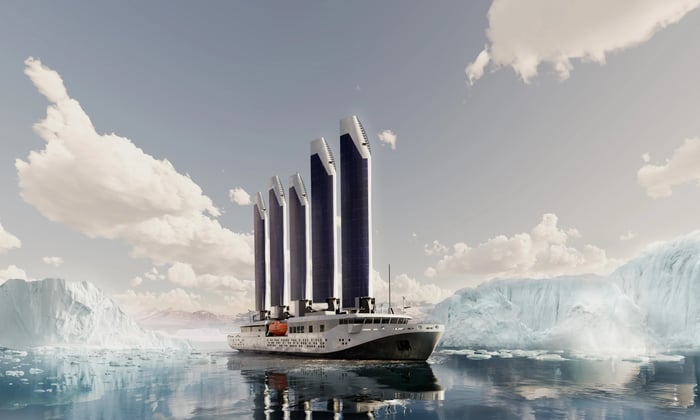
We can also expect to see more from Selar, a French expedition cruise line launching in 2026, whose 36-guest ship Captain Arctic is set to be 'close-to-zero', using solar power from 20,000 square feet of panels on five 35-metre-high sails.
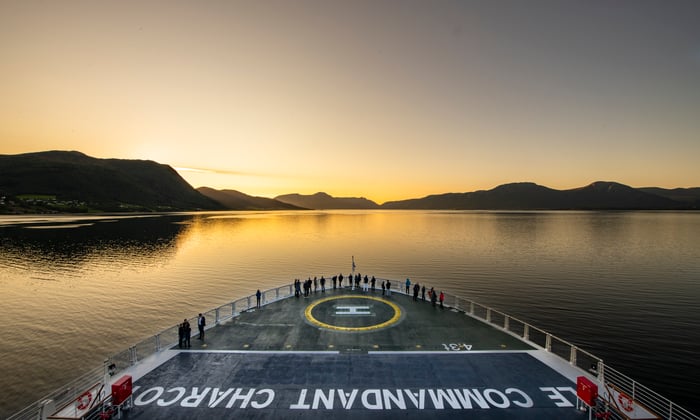
Battery technology is also making waves. Operators like HX Expeditions are deploying hybrid ships combining batteries with traditional fuels (the line is also expanding the use of shore-side renewable power in ports such as Reykjavík) while Norwegian line Havila Voyages has outfitted its fleet with large-capacity batteries that can power vessels for several hours at a time, a feature particularly valuable when sailing through sensitive regions like Norway's fjords, where regulations will eventually ban non-zero-emission ships by 2032. The country has recently imposed stricter standards requiring hybrid propulsion systems and shore power connections for access to its fjords, effective from 1 January 2026, for smaller vessels under 10,000 gross tonnage.
Sustainability in the expedition cruise sector also continues to be shaped by tightening regulations, rapid technological innovation, and rising consumer demand for environmentally responsible travel. Companies are responding with comprehensive ESG reporting and long-term sustainability strategies, while the International Maritime Organization's (IMO) net-zero targets for 2050 are reshaping operations through new pricing mechanisms and emission penalties. The IMO's 2025 Standards - set to take effect in 2027 - will enforce deep cuts in greenhouse gas emissions.
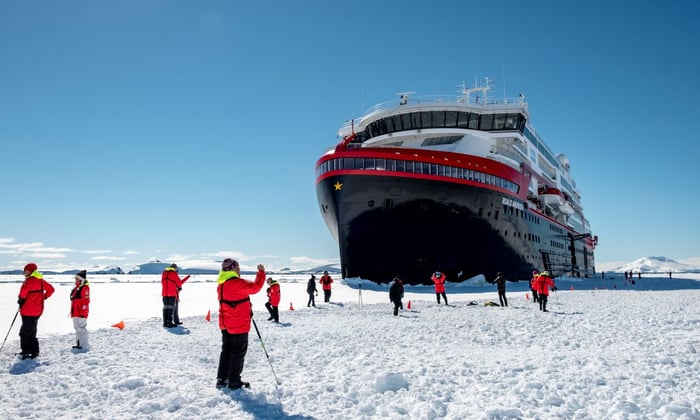
Expedition travellers are increasingly seeking eco-friendly voyages, prompting members of the Expedition Cruise Network to adopt ambitious sustainability programmes and publish detailed ESG reports. The message is clear: in this sector, sustainability has become a baseline expectation.
Regulatory frameworks are accelerating change across the wider cruise industry as well. The European Union's Emissions Trading System and FuelEU Maritime initiative are making fossil fuel dependence more expensive, while destinations like the aforementioned Norway and the Galápagos are setting strict limits on ship emissions and passenger numbers.
The long-term goal is ambitious: net-zero carbon cruising by 2050, supporting the long-term objectives of the EU Green Deal. If the industry maintains its current momentum going forward, the target may well be within reach.

Meet the Author

Find a cruise
Sustainable Cruises
Ponant Explorations
The Geographic North Pole
From Longyearbyen to Longyearbyen
27 Jul - 11 Aug 2026 (15 Nights)
From £40,446 per guest

Ponant Explorations
The Geographic North Pole
From Longyearbyen to Longyearbyen
10 Aug - 27 Aug 2026 (17 Nights)
From £36,386 per guest
Ponant Explorations
The Geographic North Pole
From Longyearbyen to Longyearbyen
27 Aug - 11 Sep 2026 (15 Nights)
From £36,966 per guest
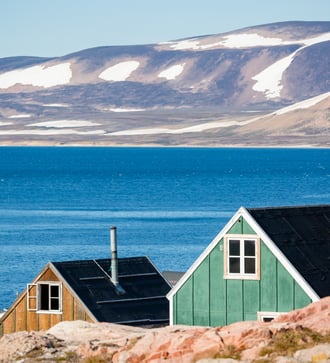
Ponant Explorations
The Geographic North Pole and the east coast of Greenland
From Longyearbyen to Reykjavik
10 Sep - 27 Sep 2026 (17 Nights)
From £46,700 per guest
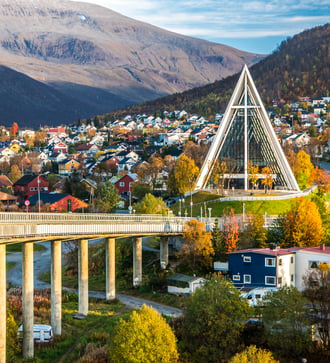
Ponant Explorations
Polar Odyssey between Northeast Greenland & Spitsbergen
From Reykjavik to Tromsø
28 Sep - 14 Oct 2026 (16 Nights)
From £24,510 per guest
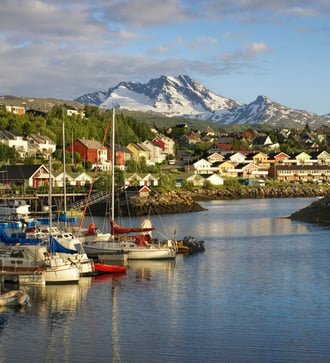
Ponant Explorations
Autumn Splendours: From Lofoten to the Norwegian Fjords
From Narvik to Bergen
1 Nov - 14 Nov 2026 (13 Nights)
From £12,410 per guest
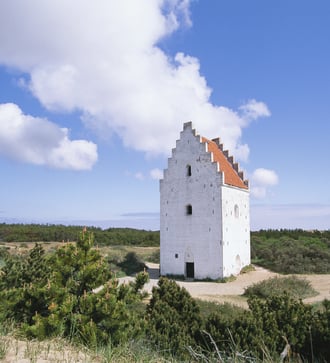
Ponant Explorations
From the North Sea to the Baltic
From Bergen to Helsinki
14 Nov - 24 Nov 2026 (10 Nights)
From £8,950 per guest

Ponant Explorations
Baltic Bliss & Winter Wonders
From Helsinki to Helsinki
24 Nov - 3 Dec 2026 (9 Nights)
From £8,060 per guest
Ponant Explorations
Gautier Capuçon's Baltic Symphony at Sea
From Helsinki to Helsinki
3 Dec - 12 Dec 2026 (9 Nights)
From £17,700 per guest
Ponant Explorations
Baltic Bliss & Winter Wonders
From Helsinki to Helsinki
12 Dec - 21 Dec 2026 (9 Nights)
From £8,060 per guest

Ponant Explorations
The Gulf of Bothnia, at the Gateway to the Arctic
From Helsinki to Kemi
22 Dec - 30 Dec 2026 (8 Nights)
From £9,460 per guest
Ponant Explorations
The Gulf of Bothnia, at the Gateway to the Arctic
From Kemi to Helsinki
29 Dec 2026 - 6 Jan 2027 (8 Nights)
From £10,030 per guest
Related articles