Scenery carved by ice meets lush temperate rainforest, glaciers calve into protected channels and brown bears fish for salmon along wild shorelines. Small expedition ships can slow down, stop and adjust course when whales surface or eagles circle overhead, offering the type of immersion that larger ships cannot match. Thriving indigenous communities, deep cultural history and abundant marine life.
Alaska & Pacific Northwest Expedition Cruises

Find a cruise
Our top picks
National Geographic - Lindblad Expeditions
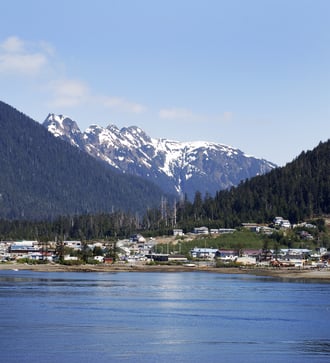
Alaska's Inside Passage
From Juneau to Sitka
12 Jul - 19 Jul 2026 (7 Nights)
From £11,079 per guest

National Geographic - Lindblad Expeditions
Epic Northwest Passage: Iceland to Japan
From Reykjavik to Osaka
14 Jul - 21 Sep 2026 (69 Nights)
From £87,327 per guest
National Geographic - Lindblad Expeditions
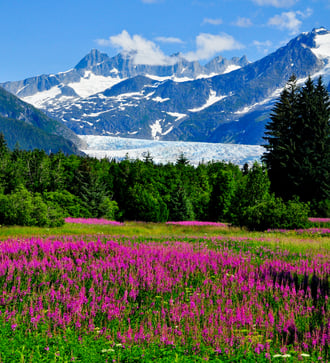
Alaska Escape: LeConte Bay, Wrangell and Misty Fjords
From Juneau to Ketchikan
15 Jul - 20 Jul 2026 (5 Nights)
From £7,104 per guest
National Geographic - Lindblad Expeditions
Alaska's Inside Passage
From Sitka Sound to Juneau
18 Jul - 25 Jul 2026 (7 Nights)
From £9,854 per guest
Our Insight
Highlights of an Alaska and Pacific Northwest expedition cruise
Key towns and ports are bustling and busy, but you can be way off the beaten track in no time, exploring wilderness you share with brown bears, circling bald eagles and marine life in constant motion. Whales breach within view of the ship. Sea otters float on their backs in kelp forests. Whilst salmon race upstream in rivers so thick with fish the water churns.
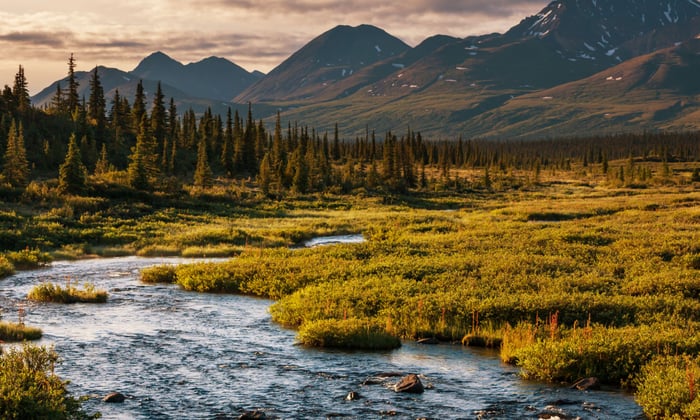
The scenery changes constantly. One day you're navigating narrow fjords flanked by sheer granite walls draped in waterfalls. Next, you're watching tidewater glaciers calve house-sized chunks of ice into the sea with a crack that echoes across the water. Ancient forests climb steep slopes and in some inlets the shoreline is so remote that only wildlife has marked it.
You can get active, like kayaking so you move quietly through protected bays, paddling alongside seals and porpoises. Guided hikes take you into old-growth forests where Sitka spruce and western red cedar tower overhead. Some expeditions offer glacier trekking, snorkelling in cold-water kelp forests or even heli-hiking onto ice fields. White water rafting, skiing and mountaineering are available on select itineraries.
The expedition ship difference in Alaska and the Pacific Northwest
Expedition cruises here are totally different from classic cruises. Small ships can slow down, stop and even adjust course to view wildlife, instead of having to reach the next port at a set time. When a pod of orcas appears, the ship holds position. When a brown bear emerges from the forest to fish along the shoreline, Zodiacs launch and guests watch from a respectful distance. This flexibility is the core of expedition cruising in Alaska.
These vessels carry Zodiacs, kayaks and paddleboards, allowing access to shallow bays, narrow inlets and shorelines that larger ships cannot approach. You explore places with no docks, no infrastructure and no other ships. Naturalists and expedition leaders scan constantly for wildlife, narrate what you are seeing and adjust daily plans based on conditions and sightings.
Days follow the wildlife, weather and tides. If conditions allow, you go ashore for guided walks. Other days, you remain on board, watching from the deck as the ship threads through ice or follows whales feeding along the coast. Expedition teams include marine biologists, ornithologists, cultural historians and indigenous guides who provide context for what you are experiencing.
Alaska and Pacific Northwest expedition itineraries
Most Alaska expeditions run 7 to 14 nights, focusing on the Inside Passage, Glacier Bay, Southeast Alaska or the Gulf of Alaska. Some itineraries venture further to the remote Aleutian Islands or the Bering Sea.
- Inside Passage itineraries typically sail between Sitka, Juneau, Ketchikan and other Southeast Alaska ports, navigating protected channels flanked by mountains and glaciers. Glacier Bay National Park is a highlight, with multiple tidewater glaciers and abundant wildlife. Some itineraries include the Inian Islands, known for strong currents that draw whales and sea lions.
- Gulf of Alaska expeditions often combine Southeast Alaska with Prince William Sound, Kenai Fjords or Kodiak Island, areas known for brown bear concentrations, seabird colonies and dramatic coastal scenery. These voyages may start or end in Seward or Anchorage.
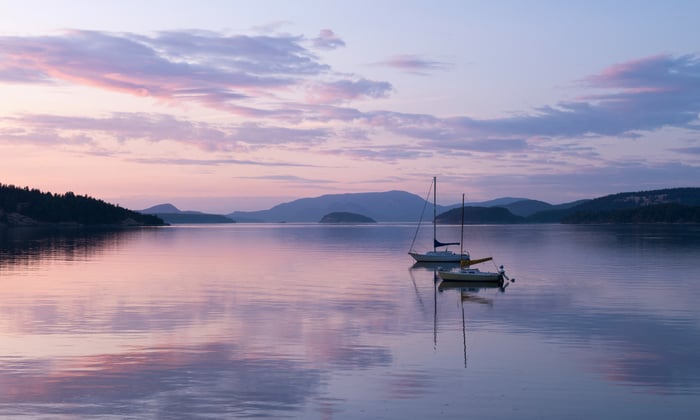
- Pacific Northwest itineraries explore the coastlines of British Columbia, Washington and Oregon, including the San Juan Islands, Desolation Sound, the Discovery Islands and Haida Gwaii. These voyages focus on temperate rainforest, orca populations and First Nations culture.
- Columbia and Snake River expeditions are a different experience entirely, sailing inland through wine country, farmland and dramatic river gorges. These voyages focus on history, food, wine and the Lewis and Clark expedition route, offering a cultural counterpoint to coastal wilderness itineraries.
Expedition cruise lines sailing to Alaska and the Pacific Northwest
National Geographic-Lindblad Expeditions are a key partner in this region. As an American-flag line, they have deep ties to Alaska and the Pacific Northwest, with ships purpose-built for these waters and expedition teams with decades of regional expertise. Their partnership with National Geographic brings photographers, marine biologists and explorers-in-residence on select voyages, boosting the immersive experience.
Other partners include Hapag-Lloyd Cruises, HX Expeditions, Ponant (occasional visitors) and Un-Cruise Adventures, a small US operator offering more basic accommodation combined with an adventurous, active style.
The best time to cruise Alaska and the Pacific Northwest
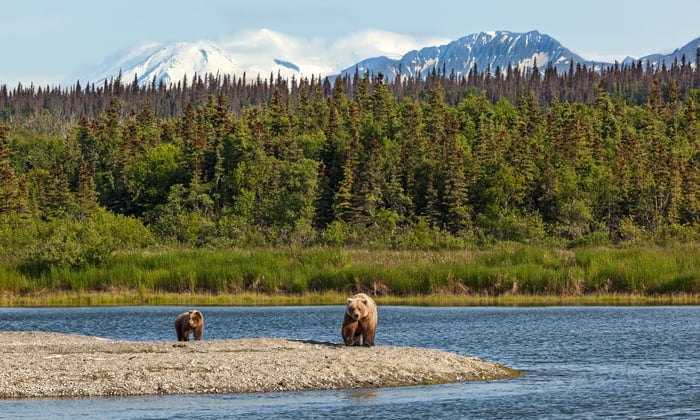
May to September is the main expedition season. May sees fewer crowds, longer daylight hours and spring wildlife activity, though weather can be cooler and wetter. June and July bring the warmest temperatures, peak whale activity and salmon runs beginning in rivers. August sees brown bears feeding heavily along streams and shorelines as salmon return to spawn, making it the best month for bear viewing. September marks the start of autumn, with fewer travellers, fall colours beginning to appear and whales still feeding before migration.
Columbia and Snake River cruises operate March through November, with spring and autumn offering the most comfortable temperatures for wine country exploration.
Travel tips and FAQs for Alaska and Pacific Northwest cruising
What wildlife can I expect to see in Alaska?
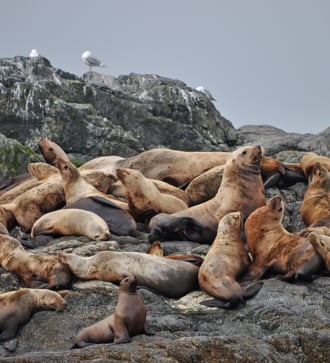
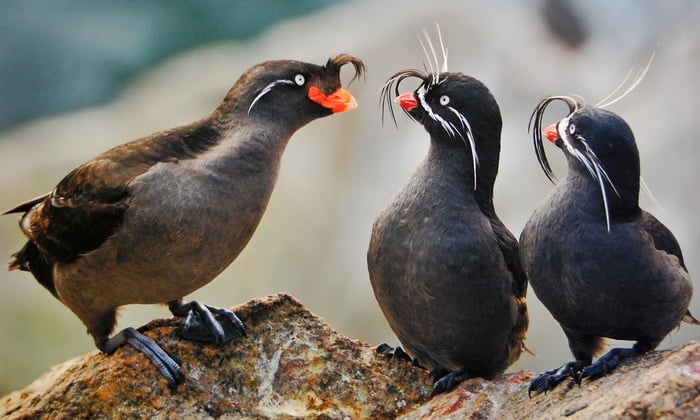
Alaska is rich with wildlife. Humpback whales, orcas, grey whales and occasionally blue whales are seen in coastal waters. Brown bears and black bears fish along shorelines and rivers. Bald eagles nest in high densities, often perching in trees or circling overhead. Sea otters, harbour seals, Steller sea lions and porpoises are common. Seabird colonies include puffins, murres, kittiwakes and cormorants. Moose, mountain goats and Sitka black-tailed deer are seen in forested areas.
Are wildlife sightings guaranteed?
No wildlife sighting can be guaranteed. Animals are wild and move according to food availability, weather and their own behaviour. However, Alaska has exceptionally high wildlife densities, and expedition leaders are skilled at finding and interpreting animal behaviour. Most voyages see multiple species at close range.
How active are Alaska expedition cruises?
Activity levels vary by cruise line and itinerary. Most expeditions include daily Zodiac cruises and guided shore walks, which are moderately active. Optional activities such as kayaking, glacier trekking and longer hikes require higher fitness levels. Un-Cruise Adventures and some National Geographic-Lindblad Expeditions sailings are particularly active, with kayaking and hiking as core parts of the itinerary. Always check activity descriptions before booking.
What should I pack for an Alaska expedition?
Layered clothing is essential. Even in summer, temperatures can be cool, and weather changes quickly. Waterproof outer layers, warm fleece or insulated jackets, hats and gloves are necessary. Most expedition lines provide rain gear and rubber boots for shore landings. Bring binoculars, a good camera with a zoom lens, sunglasses and sunscreen. Casual clothing is the norm, with no formal nights.
Can I kayak even if I have no experience?
Yes. Most expedition lines offer kayaking for all skill levels, with guides providing instruction and leading groups in protected waters. Sit-on-top kayaks are stable and easy to use. For those wanting more challenging kayaking, some lines offer extended paddles in more open conditions.
What is the difference between Inside Passage and Gulf of Alaska itineraries?
Inside Passage itineraries navigate the protected channels of Southeast Alaska, focusing on Glacier Bay, indigenous culture and coastal wildlife. These voyages typically sail between ports such as Sitka, Juneau and Ketchikan. Gulf of Alaska itineraries venture into more open waters, exploring Prince William Sound, Kenai Fjords and areas with higher brown bear concentrations. Some itineraries combine both regions.
Do Alaska expeditions visit Glacier Bay National Park?
Many do, though access is controlled by permit and limited to a certain number of ships per day. Glacier Bay is a highlight, with multiple tidewater glaciers, abundant wildlife and dramatic scenery. National Geographic-Lindblad Expeditions have a long history of operating in Glacier Bay and include it on most Southeast Alaska itineraries.
What is National Geographic-Lindblad Expeditions' connection to Alaska?
They have been operating in Alaska for decades and hold a special connection to the region. As an American-flag line, they have access to certain areas and itineraries that foreign-flagged ships do not. Their expedition teams include Alaskan naturalists, indigenous cultural interpreters and marine biologists with deep regional expertise. The partnership with National Geographic brings photographers and experts on select voyages.
Are Alaska expeditions suitable for families?
Some are. National Geographic-Lindblad Expeditions offer family-focused departures with activities designed for children and teens. Un-Cruise Adventures welcome families on select sailings. Other lines are more adult-focused. Always check age restrictions and family programming before booking.
collections
You may also like

Svalbard & the North Pole
Travel further north than 99.99% of the population to Spitsbergen and the Svalbard archipelago on a Svalbard expedition, where you really will feel as if you have gone to another planet – a magical experience.

Chilean Fjords & Patagonia
Patagonia, the southernmost tip of South America, is a land of contrasts: fire and ice, heat and dust, mountains and grasslands, glacial fjords and temperate rainforest.

Great Lakes and Atlantic Canada
From remote, lighthouse-dotted islands teeming with wildlife to picturesque fishing villages, an expedition cruise to Atlantic Canada and the Great Lakes region is charm embodied.