The Pacific islands are home to some of the most spectacular snorkelling and diving in the world, in crystal clear waters teeming with marine life. Indigenous traditions remain strong in spite of the incursion of tourism on some islands, and you'd be hard pressed to find a friendlier, more diverse or more welcoming collection of people.
Pacific Islands Expedition Cruises

Find a cruise
Our top picks
Ponant Explorations
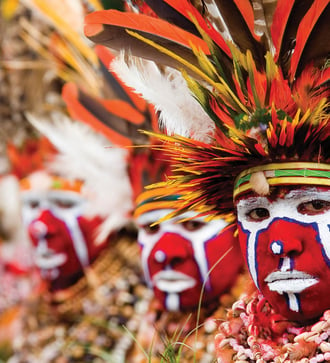
An escapade in the heart of Melanesia
From Darwin to Lautoka
21 Aug - 6 Sep 2026 (16 Nights)
From £10,620 per guest

Seabourn Cruises
32-Day Kimberley Expedition, Indonesia & Papua New Guinea
From Broome to Lautoka
2 Sep - 4 Oct 2026 (32 Nights)
From £24,989 per guest
Seabourn Cruises
45-Day Kimberley Expedition, Indonesia & Papua New Guinea
From Broome to Papeete
2 Sep - 17 Oct 2026 (45 Nights)
From £36,294 per guest
Seabourn Cruises
64-Day Kimberley Expedition & Islands Of The Pacific
From Broome to Santiago (San Antonio)
2 Sep - 5 Nov 2026 (64 Nights)
From £46,664 per guest
Our Insight
Highlights of a Pacific Islands Expedition Cruise
To the north and north east of Australia is the area known as Melanesia, the scene of many battles during the Second World War and home to shipwrecks, remote islands and beautiful unspoilt coral atolls. Vanuatu, Papua New Guinea and the Solomon Islands remain little explored by travellers, offering genuine encounters with indigenous communities where traditional ways of life continue largely unchanged.
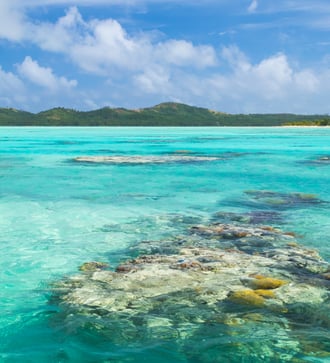
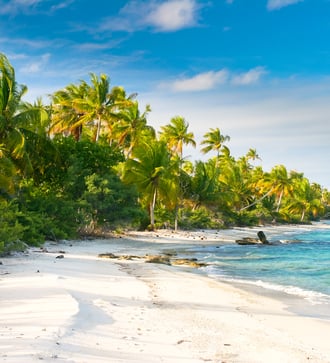
Once known as the Cannibal Isles because of its ferocious natives, the Fijian archipelago is a collection of 300 islands scattered across the South Pacific. With lush mountains rising over turquoise lagoons and pristine beaches, its beauty lies in its diversity. On land immerse yourself in authentic Fijian village life and in the warm tropical waters discover majestic coral reef gardens that make for an unforgettable snorkelling or diving experience. You'll be diving amongst over 1,500 species of fish, along with Fiji's famous hawksbill turtle, now a protected species.
Papua New Guinea offers some of the Pacific's most extraordinary cultural experiences, from the Baining Fire Dance performances to encounters with isolated highland communities. The waters surrounding Papua New Guinea and the Solomon Islands are renowned for exceptional marine biodiversity, with pristine coral reefs and WWII wrecks creating underwater museums of both natural and historical significance.
From French Polynesia you can visit fascinating island groups such as the Cook Islands or the Marquesas and then you can journey eastwards to some of the most remote islands on earth such as Pitcairn or Easter Island en route for South America.
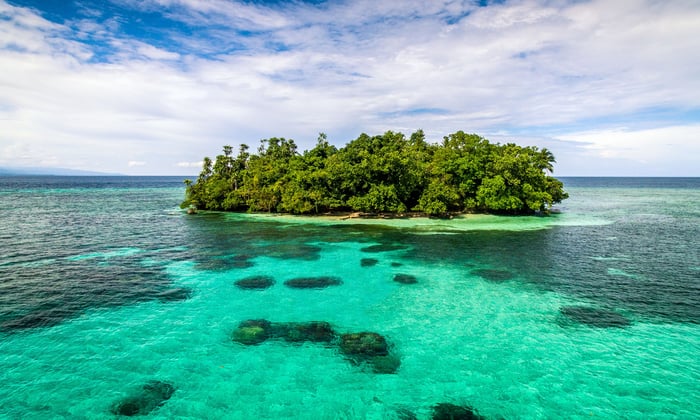
Exploring the Pacific Islands by Expedition Cruise
The Pacific Ocean is a vast expanse of water, home to unique and fascinating island cultures, spectacular scenery and diverse wildlife. The island make-up of this region lends itself to exploration by sea, so an expedition cruise offers a constantly changing vista and a comfortable means of island hopping across this remote corner of the world.
The Expedition Difference in the Pacific Islands
Pacific Islands expedition cruises differ significantly from conventional cruising. Small expedition ships carry fewer than 300 passengers, allowing access to remote atolls and shallow anchorages that larger vessels cannot reach. Zodiacs ferry passengers ashore to beaches and villages with no port infrastructure, while expedition teams comprising marine biologists, anthropologists and local cultural experts provide context and insight throughout the voyage.
Snorkelling and diving form a central part of most Pacific Islands expeditions, with crystal clear waters teeming with marine life. Many ships carry snorkelling equipment and offer guided excursions to coral gardens, while certified divers can explore deeper reefs and wrecks with onboard dive teams. Wildlife encounters include reef sharks, manta rays, sea turtles and seasonal whale watching.
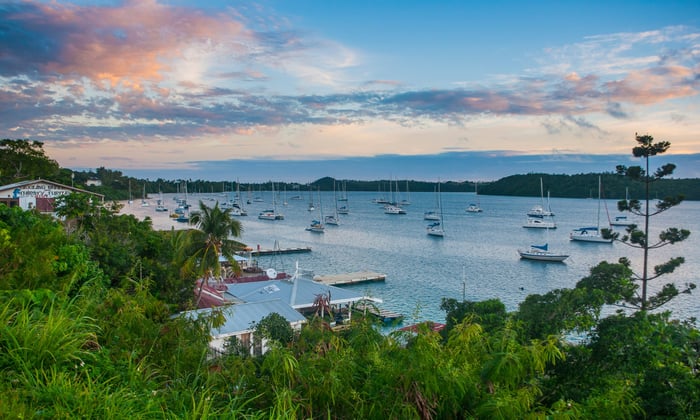
Pacific Islands Expedition Cruise Itineraries
Pacific Islands expedition cruise itineraries for 2026 and 2027 typically range from 11 to 37 nights, depending on the region covered. Shorter voyages focus on single destinations such as Fiji or Vanuatu, while longer expeditions combine multiple island groups across Melanesia and Polynesia.
Common routes include Darwin to Fiji voyages exploring Papua New Guinea, the Solomon Islands and Vanuatu. Papeete-based cruises visit French Polynesia's Society Islands, Marquesas and Tuamotus. Transpacific crossings connect the Pacific Islands with South America, calling at remote atolls including Easter Island and Pitcairn Island. Some itineraries combine the Pacific Islands with Australia's Kimberley region or Indonesia's Raja Ampat.
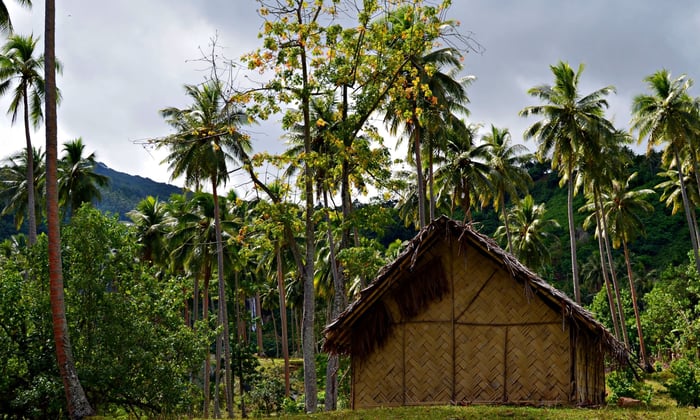
Luxury Expedition Lines Exploring the Pacific Islands
Several luxury expedition cruise lines operate Pacific Islands itineraries for 2026 and 2027. Seabourn's expedition ships offer extensive Pacific programs combining Melanesia and Polynesia with all-inclusive fares covering excursions, premium drinks and gratuities. Ponant's small ships explore Melanesia with French-inflected service and expert expedition teams. Scenic operates ultra-luxury Discovery Yachts with included submarine and helicopter experiences on selected voyages.
Hapag-Lloyd Cruises offers expeditions to Micronesia, Melanesia and Polynesia with expedition directors and cultural experts. Silversea's expedition ships combine Pacific Islands itineraries with destinations across Asia-Pacific, while National Geographic-Lindblad Expeditions provide naturalist-led programs focusing on marine biology and cultural immersion.
The Best Time to Cruise the Pacific Islands
The Pacific Islands can be visited year-round, though regional variations apply. French Polynesia and the Society Islands enjoy pleasant weather May to October, with the dry season offering calmer seas and optimal visibility for snorkelling and diving. Fiji, Vanuatu and the Solomon Islands are best visited April to October, avoiding the cyclone season from November to April.
Papua New Guinea can be visited year-round, with the dry season from May to October generally preferred for highland visits and cultural encounters. Some expedition cruises operate during shoulder seasons to coincide with specific wildlife events or cultural festivals. The 2026 and 2027 departure schedules reflect these seasonal patterns, with the majority of itineraries concentrated between April and October.
Travel Tips and FAQs for Pacific Islands Expedition Cruising
What should I pack for a Pacific Islands expedition cruise?
Pack lightweight, breathable clothing in natural fabrics for the tropical climate. Essential items include reef-safe sunscreen, wide-brimmed hat, polarised sunglasses, insect repellent and comfortable walking shoes for shore landings. Bring snorkelling equipment if you have your own, though most ships provide this. A waterproof bag protects cameras and electronics during Zodiac landings. Modest clothing is required for village visits out of respect for local customs.
Do I need vaccinations for Pacific Islands cruises?
Vaccination requirements vary by country visited. Consult your GP or travel clinic at least 8 weeks before departure. Common recommendations include Hepatitis A and B, Typhoid and routine vaccinations. Some islands require yellow fever vaccination certificates if arriving from infected areas. Malaria prophylaxis may be recommended for Papua New Guinea and certain Solomon Islands regions.
What is the diving and snorkelling like?
The Pacific Islands offer world-class snorkelling and diving with warm water temperatures ranging from 26-29°C year-round, requiring only light wetsuits or rash guards. Marine life includes over 1,500 fish species, coral gardens, manta rays, reef sharks, sea turtles and seasonal whale encounters. WWII wrecks in the Solomon Islands and Papua New Guinea create unique dive sites combining history with marine biodiversity.
Are cultural visits included in expedition cruises?
Yes, cultural encounters form a core component of Pacific Islands expeditions. Village visits are carefully managed to respect local customs and provide genuine exchanges rather than performances for tourists. Communities welcome visitors with traditional ceremonies, demonstrations of ancestral skills and opportunities to learn about island life. Expedition teams brief passengers on appropriate behaviour and cultural protocols before each landing.
How physically demanding are Pacific Islands expedition cruises?
Fitness requirements vary by excursion. Zodiac boarding requires reasonable mobility and balance, with crew assistance provided. Village walks range from easy strolls to moderate hikes over uneven terrain. Snorkelling requires basic swimming ability and comfort in open water. Most expedition cruises offer activity levels ranging from gentle to adventurous, allowing passengers to choose experiences matching their capabilities.
What wildlife can I expect to see?
Marine life dominates Pacific Islands wildlife viewing. Snorkellers encounter reef fish, sea turtles, rays and reef sharks. Deeper waters attract dolphins, whales (seasonally) and pelagic species. Island birdlife includes tropical seabirds, parrots and endemic species. Papua New Guinea offers unique opportunities to see birds of paradise and tree kangaroos in highland regions.
Which Pacific Islands cruise lines do you recommend?
We recommend several expedition cruise lines for Pacific Islands voyages. Seabourn combines luxury accommodation with comprehensive expedition programs and all-inclusive pricing. Ponant offers French elegance and cultural expertise with smaller ships accessing the most remote locations. Scenic provides ultra-luxury experiences with included special experiences. For naturalist-led programs, consider National Geographic-Lindblad Expeditions or Coral Expeditions.
collections
You may also like

South East Asia
This extensive region covers a whole variety of countries and lands, including the extensive Indonesian archipelago, the huge island of Borneo, diverse and spectacular Papua New Guinea in the southwestern Pacific, and the ever intriguing Vietnam and Cambodia with their rich history and captivating cultures.

Costa Rica, Panama Canal & Caribbean
Lush jungle, pristine silvery beaches, turquoise waters – exploring away from the crowds in Costa Rica and the Caribbean is like waking each morning in paradise.

East Africa & Indian Ocean
East Africa is famed for its wildlife and its epic landscapes, but it's also a fascinating cultural and historical destination, its cosmopolitan ports connected by ancient trading routes to the paradise islands of the Indian Ocean.