Cape Verde's volcanic peaks, Senegal's vibrant ports, remote island groups scattered across the Atlantic. West Africa is expedition territory for intrepid travellers, offering authentic experiences far from typical cruise routes. Most voyages are repositioning sailings connecting Antarctica to the Arctic, with a handful of dedicated expeditions focusing on the region's islands and coastal cultures.
West Africa Expedition Cruises

Find a cruise
Our top picks
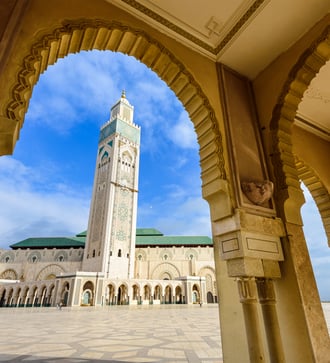
National Geographic - Lindblad Expeditions
Roots of the Atlantic: Portugal, Morocco and the Canary Islands
From Lisbon to Dakar
7 Oct - 21 Oct 2026 (14 Nights)
From £12,002 per guest
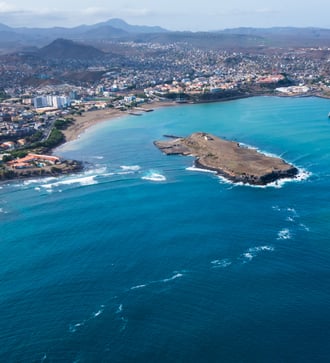
Hapag-Lloyd Cruises
Expedition Unknown Expanses Of The Atlantic: Premiere – World History Exposed
From Sal to Cape Town
30 Oct - 15 Nov 2026 (16 Nights)
From £4,124 per guest
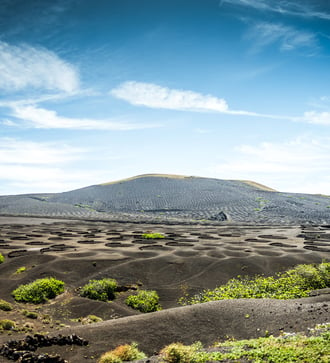
Ponant Explorations
Volcanic landscapes from Canary Islands to Cape Verde
From Las Palmas de Gran Canaria to Dakar
1 Nov - 11 Nov 2026 (10 Nights)
From £4,400 per guest
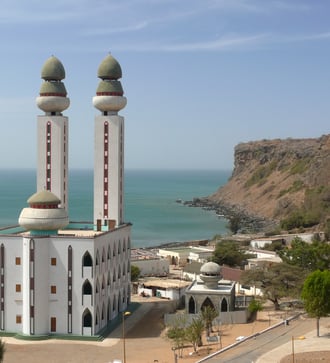
Ponant Explorations
Adventure in the Bissagos Islands
From Dakar to Dakar
11 Nov - 19 Nov 2026 (8 Nights)
From £5,450 per guest
Our Insight
Highlights of a West Africa expedition cruise
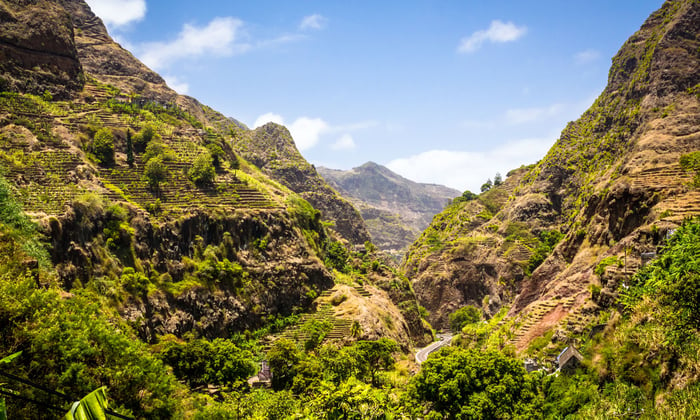
West Africa feels raw and real. Cape Verde gives you volcanic landscapes, music drifting from waterfront bars and markets selling fresh-caught tuna. Senegal offers Dakar's energy, Gorée Island's history and fishing villages where pirogues line the beach at dawn. The Bijagós Islands in Guinea-Bissau remain largely untouched, with wildlife-rich mangroves and communities living as they have for generations. São Tomé and Príncipe delivers jungle-covered peaks, colonial Portuguese architecture slowly being reclaimed by vines and cocoa plantations where beans dry in the sun.
These are not polished ports. You might find yourself the only visitors at an island or learning how fishermen repair their nets. West Africa rewards curiosity and flexibility over luxury and predictability.
The expedition cruise difference in West Africa
West Africa demands small ships. Infrastructure is minimal, many destinations have no docks, and zodiacs become the primary way ashore. Expedition ships carry the guides, equipment and shallow drafts needed to reach remote islands and coastal villages. Many larger vessels simply cannot access most of the region's most compelling stops.
Ships stay small, typically under 300 guests. Expedition teams include marine biologists, cultural specialists and naturalists who know the region. Days unfold around zodiac landings (if needed), village visits, and wildlife encounters rather than structured shore excursions.
West Africa expedition cruise itineraries
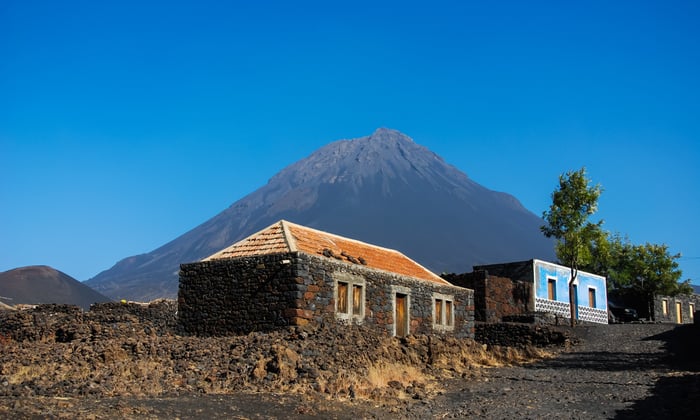
Most West Africa cruises are repositioning voyages, typically 14-30+ nights, as ships transit between Antarctica and the Arctic. These combine Atlantic crossings with stops in Cape Verde, Senegal, Gambia or other West African destinations. A handful of operators offer dedicated West Africa expeditions of 7-14 nights focusing specifically on island groups. Ponant's The Many Faces of Cape Verde is an expedition-style voyage exploring the archipelago in depth. The longest voyages, up to 55 nights, link South America to Europe via the full West African coast.
Luxury cruise lines sailing West Africa
Silversea, Ponant, Scenic, Seabourn and Hapag-Lloyd all operate West Africa itineraries, primarily as part of repositioning voyages. Ponant stands out for their dedicated expedition-style voyages focusing specifically on the region, including their Cape Verde sailings. Seabourn combines West Africa stops into longer grand voyages.
The best approach is to speak to us about what you want from the region and when you can travel, as West Africa departures are less frequent than Mediterranean or polar sailings.
The best time to cruise West Africa
- October through April is the main season, coinciding with repositioning periods when ships move between hemispheres.
- November through March offers the driest weather and calmest seas.
- The shoulder months of October and April can bring occasional rain but also fewer ships and better wildlife activity as migration patterns shift.
Travel tips and FAQs for West Africa cruising
Is West Africa suitable for first-time expedition cruisers?
It can be. If you are comfortable with basic infrastructure, flexible itineraries and authentic cultural encounters, West Africa offers a compelling introduction to expedition cruising. The pace is slower than polar regions and the climate is warmer, but expect remote destinations and zodiac-dependent operations.
How active are shore excursions?
West Africa involves wet zodiac landings, walking on uneven terrain, and village visits requiring respectful engagement with local communities. You do not need to be particularly fit, but mobility and balance are important for zodiac operations. Heat and humidity can be challenging.
Do I need visas for West Africa?
Visa requirements vary by country and nationality. UK, US and EU citizens are visa-exempt for Cape Verde for stays up to 30 days, but must complete pre-registration online at least 5 days before arrival. Senegal, Gambia and Guinea-Bissau have specific requirements. Your cruise line will advise on documentation needed, and in many cases handle group clearance. Speak to us for current requirements based on your itinerary.
What wildlife can I expect to see?
West Africa is rich with marine life including dolphins, humpback whales (particularly during migration season in Cape Verde waters), sea turtles, and diverse birdlife. The Bijagós Islands support hippos, crocodiles, and West African manatees. Birdwatchers find endemic species across the island groups.
What is the onboard atmosphere?
Expedition-focused and relaxed. Dress codes are casual throughout. Days revolve around landings, wildlife encounters and cultural visits rather than onboard entertainment. Enrichment lectures cover the region's history, ecology and cultures.
What currency and language should I expect?
Cape Verde uses the Cape Verdean escudo. Senegal, Guinea-Bissau and several other West African nations use the West African CFA franc. Euros and US dollars are sometimes accepted. Portuguese is spoken in Cape Verde, São Tomé and Príncipe, and Guinea-Bissau. French dominates in Senegal and much of coastal West Africa. English is less common but expedition staff provide translation support.
Are West Africa cruises safe?
Reputable expedition operators conduct thorough risk assessments and work with local authorities to ensure safe operations. Political stability varies across the region. Operators avoid areas with travel advisories and maintain strict protocols for port visits and landings.
collections
You may also like

East Africa & Indian Ocean
East Africa is famed for its wildlife and its epic landscapes, but it's also a fascinating cultural and historical destination, its cosmopolitan ports connected by ancient trading routes to the paradise islands of the Indian Ocean.

South East Asia
This extensive region covers a whole variety of countries and lands, including the extensive Indonesian archipelago, the huge island of Borneo, diverse and spectacular Papua New Guinea in the southwestern Pacific, and the ever intriguing Vietnam and Cambodia with their rich history and captivating cultures.

Australia
Australia is a vast and unique country, home to a collection of weird and wonderful wildlife that seems somehow tailor-made for the landscape of otherworldly deserts, rocky coastlines and tropical rainforests.