Travel Advice

The concept of expedition cruising was the brainchild of pioneer Lars-Eric Lindblad, back in 1966, when he started to take travellers as 'citizen scientists' into regions hitherto visited only by experts and explorers such as Antarctica and the Galapagos Islands. Over the years, more and more companies have joined this exclusive group of expedition cruise operators visiting off the beaten track locations around the globe - so what is the difference between an expedition cruise and a regular ocean cruise?
Cruise ship vs. Expedition ship: What's the difference?
Size
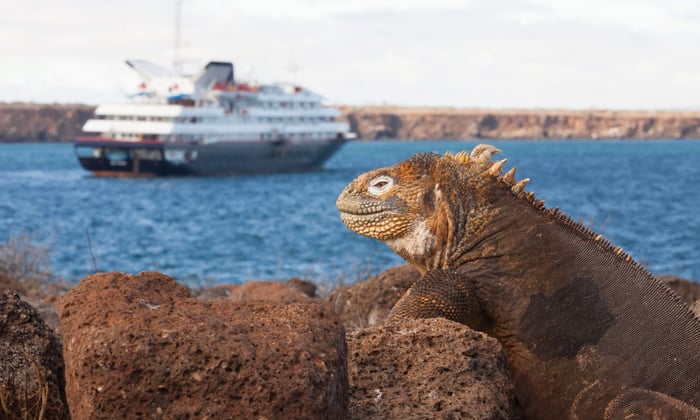
Expedition ships are small, to get you close up - to the scenery, the wildlife, the land, and the sea. You need to be able to get everyone off the ship very quickly, either into the water itself, or onto the land nearby. Ships must be nimble, manoeuvrable, and sturdy, with excellent stability and performance in heavy seas. And since you are way off the beaten track, your ship needs to be supremely seaworthy.
Environmental impact
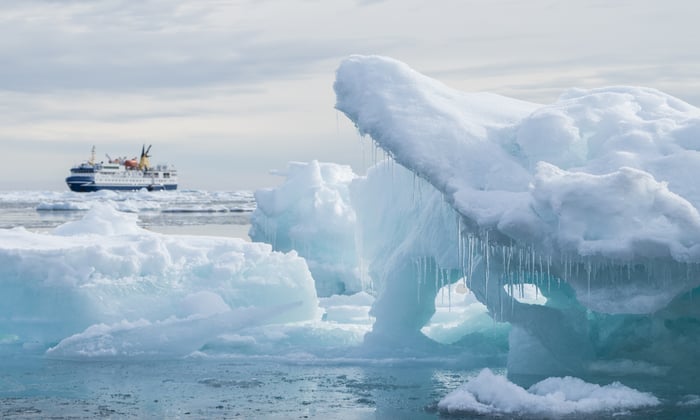
If you are visiting the polar regions, the ship must have an ice-strengthened hull, and new environmental requirements are introduced periodically to further minimise the vessel's impact on the environment. Improved fuel efficiency, hybrid technology, innovative propulsion systems and more all contribute to reducing the carbon footprint of the vessel.
Some vessels are actually icebreakers in their own right, but the majority would rely on another vessel to free them from pack ice in an emergency.
Crew
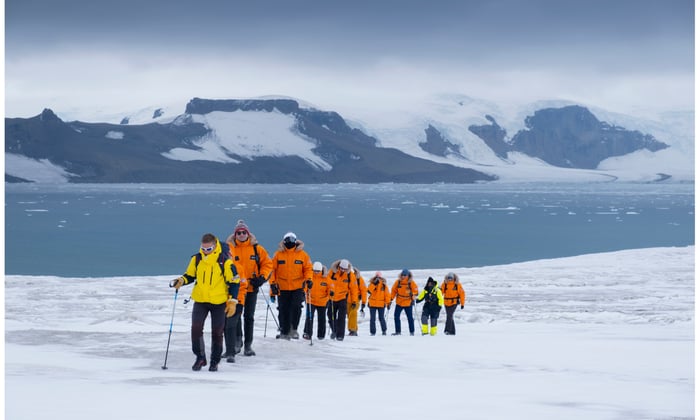
Every expedition ship is staffed, in addition to the normal crew, by a group of naturalists and expedition leaders who will enhance your experience - obviously they need to be housed somewhere on the ship, and a well-designed lecture theatre with excellent sightlines will significantly improve your enjoyment of seminars and presentations on board.
Extensive observation decks help you observe the wildlife even before going ashore, and some of the newest vessels have specially built platforms to help you get the very best views possible from the bows of the ship.
Equipment
The next generation of expedition vessels is the greenest ever. Designed to meet the exacting environmental standards required by the new Polar Code, these ships feature a range of technical innovations and green initiatives, as well as cool new design features.
Many ships are adding all sorts of exciting water toys in addition to the standard Zodiacs and kayaks, including wave runners, underwater scooters, submarines and remote operated vehicles (ROVs). Onboard innovations to improve the guest experience include extendable glass balconies, interactive learning centres and even an underwater viewing lounge.
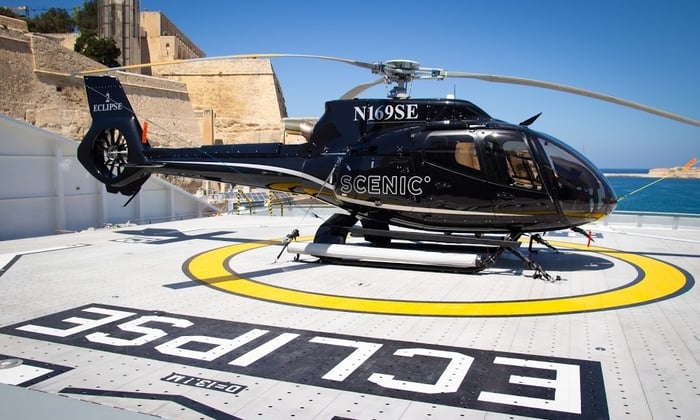
In short, whilst an expedition ship can and will offer many of the features of a conventional cruise ship - including comfortable accommodation, restaurants, bars and lounges, a spa and a gym - it must also feature a whole range of specific additions to be the perfect expedition vessel.

Meet the Author

Find a cruise
Expedition cruises
Hurtigruten
The Coastal Express – Roundtrip
From Bergen to Bergen
4 Jul - 15 Jul 2026 (11 Nights)
From £5,404 per guest
Hurtigruten
The Coastal Express – North
From Bergen to Kirkenes
4 Jul - 10 Jul 2026 (6 Nights)
From £3,842 per guest
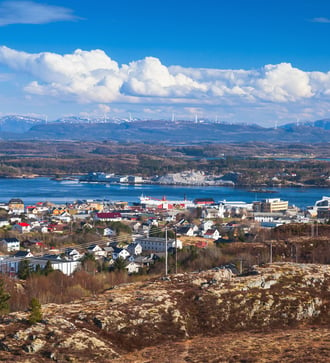
Hurtigruten
The Coastal Express – South
From Kirkenes to Bergen
4 Jul - 9 Jul 2026 (5 Nights)
From £2,707 per guest
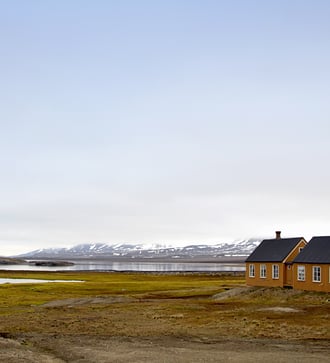
HX Expeditions
Circumnavigating Spitsbergen - In the Realm of the Polar Bear
From Longyearbyen to Longyearbyen
4 Jul - 16 Jul 2026 (12 Nights)
From £8,637 per guest
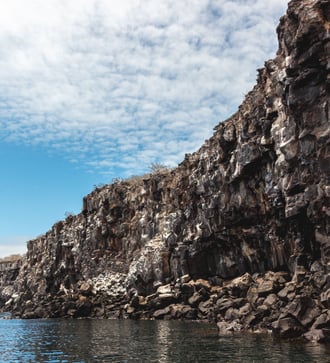
Silversea Expeditions
San Cristóbal to San Cristóbal
From San Cristóbal Island to San Cristóbal Island
4 Jul - 11 Jul 2026 (7 Nights)
From £10,260 per guest
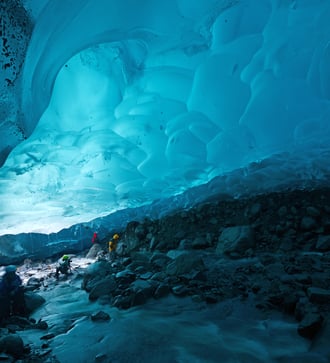
National Geographic - Lindblad Expeditions
Alaska's Inside Passage
From Sitka Sound to Juneau
4 Jul - 11 Jul 2026 (7 Nights)
From £10,607 per guest
Hurtigruten
The Svalbard Line – Roundtrip
From Bergen to Trondheim
4 Jul - 14 Jul 2026 (10 Nights)
From £5,404 per guest

Celebrity Cruises
7 Night Galapagos Inner Loop Cruise
From Baltra to Baltra
5 Jul - 12 Jul 2026 (7 Nights)
From £5,750 per guest
Hurtigruten
The Coastal Express – Roundtrip
From Bergen to Bergen
5 Jul - 16 Jul 2026 (11 Nights)
From £3,823 per guest
Hurtigruten
The Coastal Express – North
From Bergen to Kirkenes
5 Jul - 11 Jul 2026 (6 Nights)
From £2,867 per guest
Hurtigruten
The Coastal Express – South
From Kirkenes to Bergen
5 Jul - 10 Jul 2026 (5 Nights)
From £2,531 per guest
National Geographic - Lindblad Expeditions
Alaska Escape: Haines, the Inian Islands and Endicott Arm Fjord
From Juneau to Sitka
5 Jul - 10 Jul 2026 (5 Nights)
From £6,415 per guest